Facial Trauma Surgery in Sydney
Dr Kristian van Mourik is a specialist Oral and Maxillofacial Surgeon in Sydney providing expert diagnosis and treatment of facial trauma and facial fractures.
Facial trauma Surgery in Sydney
With over 16 years of specialist practice, Dr van Mourik is an experienced facial fracture surgeon in Sydney, providing specialist surgical care to restore facial function, appearance and healing.


Dr. Kristian van Mourik is a specialist Oral and Maxillofacial Surgeon in Sydney with over 16 years of experience treating maxillofacial injuries, facial trauma and facial fractures in Sydney.


What Are Facial Fractures?
Facial fractures, also called maxillofacial trauma or facial bone fractures, occur when one or more bones in the face are broken. Facial bones are relatively thin and vulnerable to fractures from motor vehicle accidents, physical assaults, sporting injuries, or falls. Disease or infection can also weaken facial bones and increase the risk of fracture.
Types of Facial Injuries Treated
Facial trauma can affect one or multiple bones of the face. Each type of fracture presents differently and requires individual assessment to decide whether observation or surgery is appropriate.
Cheekbone (zygoma) fractures
Cheekbone fractures (fractured cheekbone or broken cheekbone) are among the most common facial fractures treated. A cheekbone fracture can flatten the cheek, restrict jaw movement, and in some cases affect vision if the fracture extends to the orbital rim. Fractured cheekbone surgery may be recommended to restore symmetry and prevent long-term problems. Whether a broken cheekbone requires surgery depends on the degree of displacement and which surrounding structures are involved.
Upper jaw (maxilla) fractures
The maxilla is central to the bite and midface structure. Fractures here can destabilise the teeth, affect how the upper and lower teeth meet, and sometimes involve the nasal cavity or eye sockets. Treatment often involves careful reconstruction to restore bite function and facial support.
Lower jaw (mandible) fractures
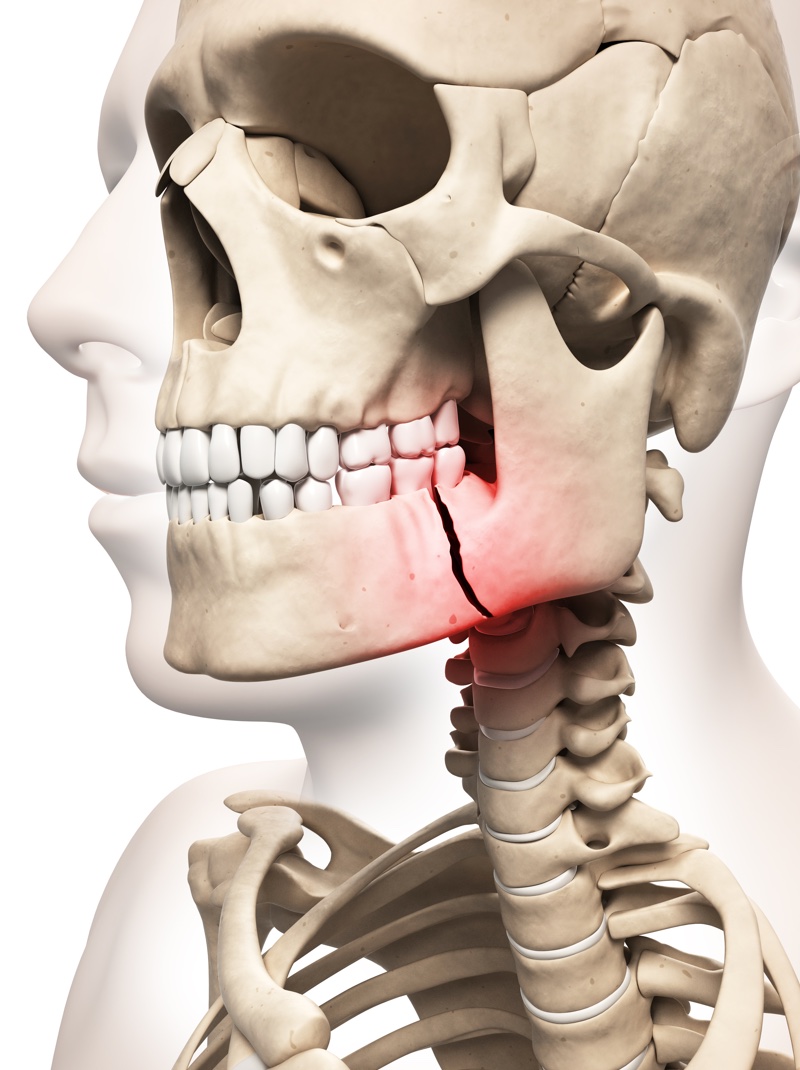
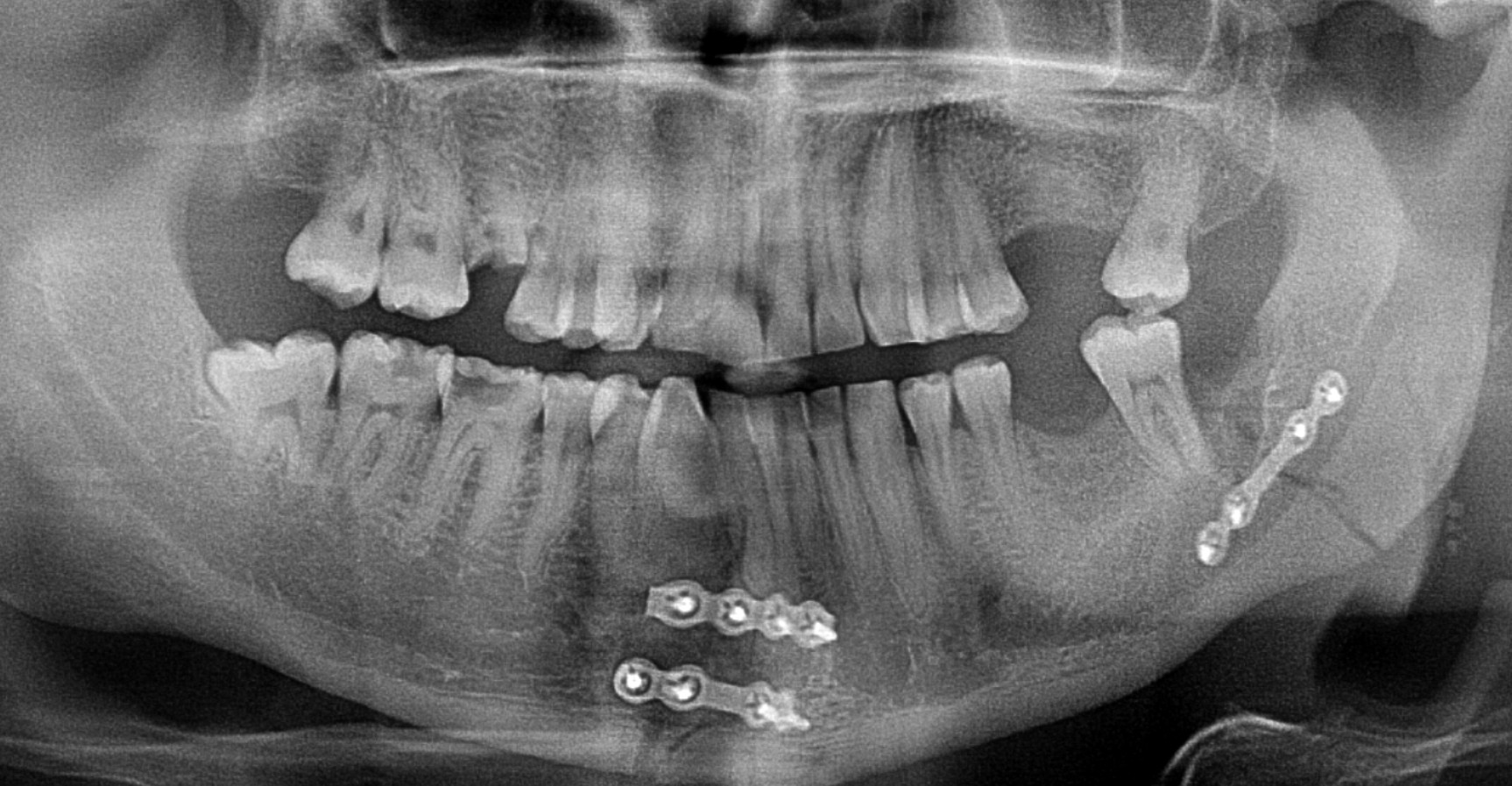
The mandible is the most commonly fractured facial bone. A jaw fracture causes pain, swelling, bruising, and difficulty opening or closing the mouth. Jaw fracture surgery in Sydney may be required when the fracture is displaced or unstable. Treatment involves titanium plates and screws to stabilise the fracture and restore bite alignment.
Nasal fractures
Nasal fractures are frequent in sports, falls, and assaults. A broken nose can affect both breathing and appearance. Early facial fracture management is important to determine whether manipulation or surgical repair is needed to restore airflow and nasal alignment.
Frontal sinus fractures
Located above the eyes, the frontal sinuses can be fractured in high-impact trauma such as motor vehicle accidents. These injuries may extend into surrounding structures and often require more complex surgical management. Specialist care is essential to protect both function and appearance.
Orbital fractures
Fractures of the orbit, or eye socket, can affect vision, eye position, and facial symmetry. Symptoms may include double vision or restricted eye movement. Depending on severity, surgical repair may involve repositioning bone fragments and supporting the orbital floor to protect the eye.
How Do I Know If I Have Broken a Bone in My Face?
The symptoms of a facial fracture vary depending on which part of the face has been injured.
Signs of a Facial Fracture: How to Tell If You Have Broken a Facial Bone
- Swelling and bruising
- Pain or tenderness around the affected area
- Numbness or tingling in the face
- Visible deformity or asymmetry
Nasal fractures (broken nose) may cause:
- Difficulty breathing through the nose
- Nosebleeds
- Changes to the shape or alignment of the nose
Jaw fractures (maxillary or mandibular) may present with:
- Pain when opening or closing the mouth
- Difficulty chewing, swallowing, or speaking
- Drooling due to restricted movement
- Loose, broken, or missing teeth
Orbital fractures (eye socket injuries) may lead to:
- Blurred or double vision
- Bulging or sunken appearance of the eye
- Difficulty moving the eye in certain directions
If you experience any of these symptoms following a facial injury, prompt assessment by a specialist facial bone surgeon is important. Dr. Kristian van Mourik provides facial fracture diagnosis and treatment at clinics in Bondi Junction and Lindfield in Sydney.
Problems Caused by Facial Fractures
Facial bone fractures can affect your appearance and everyday activities. Depending on the injury, you may experience:
Pain or difficulty eating
Difficulty speaking or opening your mouth
Breathing problems, particularly with nasal fractures
Changes in facial appearance or symmetry
Swelling, bruising or numbness
Difficulty healing properly if the fracture is not treated
Prompt assessment and facial fracture by Dr van Mourik, an experienced facial fracture surgeon in Sydney, can help reduce complications and support proper healing.
Untreated Facial Fractures - What Can Happen
Facial fractures should be assessed as soon as possible after an injury. If a fracture is missed or left untreated, it can affect your appearance, breathing, vision, jaw movement and comfort.
Possible problems include:
- Facial asymmetry or changes in the shape of the face
- Flattening of the cheek after a cheekbone fracture
- Difficulty opening the mouth or moving the jaw
- Problems with your bite after a jaw fracture
- Difficulty chewing or eating
- Ongoing facial pain or tenderness
- Numbness or altered sensation in the cheek, upper lip or teeth
- Breathing difficulties after a nasal fracture
- Changes in the position of the eye
- Double vision or other visual problems
- Long-term jaw joint problems
Untreated Cheekbone Fracture - What Can Happen
An untreated cheekbone fracture can cause:
- Permanent flattening of the cheek
- Visible facial asymmetry
- Restricted jaw movement
- Pain or tenderness around the cheek and temple
- Numbness of the cheek, upper lip or upper teeth
- Changes in eye position or vision if the fracture involves the eye socket
Early Treatment Can Help
Early assessment by a facial fracture surgeon is important. Some facial fractures can be treated without surgery, while others may require surgical repair.
Delayed treatment can make facial fracture surgery more difficult and may increase the risk of long-term problems.
If you have suffered a facial injury and are concerned about a possible fracture, Dr Kristian van Mourik provides specialist facial fracture treatment in Sydney, with consultations at Bondi Junction and Lindfield.
How are Facial Fractures Diagnosed?
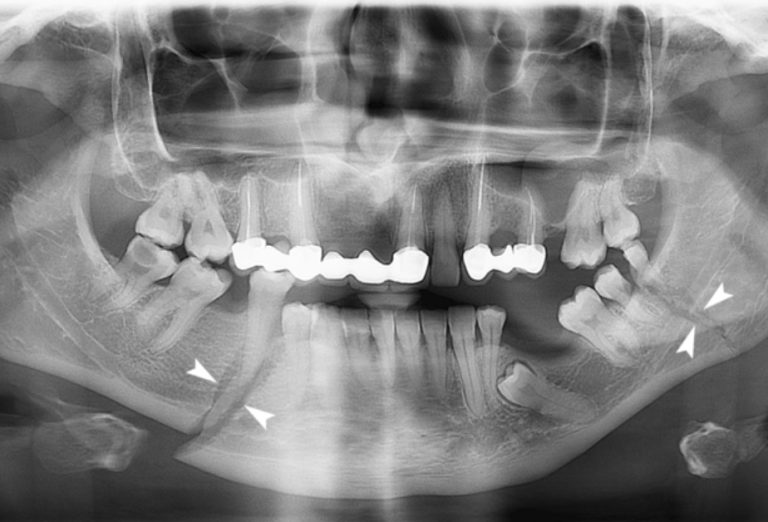
Facial fractures are diagnosed through a combination of physical examination and imaging tests.
During your consultation, the Oral and Maxillofacial Surgeon will first assess your overall condition to ensure there are no life-threatening injuries. They will then carefully examine your face for swelling, bruising, deformity, or tenderness, and gently press on the facial bones to determine the extent of injury.
Additional checks may include:
- Assessing vision and eye movement
- Checking nasal passages and airways for obstruction
- Evaluating bite alignment (occlusion) to identify possible jaw fractures
- Testing for signs of head or spinal injury
Imaging tests are used to confirm the type, location, and severity of the fracture:
- CT scans – the most accurate and commonly used method, providing detailed images of bones, soft tissues, and blood vessels
- X-rays – useful for examining bones, they are less detailed than a CT scan but helpful for nasal or jaw fractures. This thorough assessment ensures an accurate diagnosis and helps guide the most appropriate treatment plan for each patient.
Facial Fracture Treatment and Surgery: Non-Surgical and Surgical Options
Facial fracture treatment depends on the location and severity of the injury, and whether neighbouring structures such as the eye or brain are involved. The primary goals of facial trauma surgery are to restore normal appearance, prevent infection, and restore function including breathing, speaking, and chewing.
Initial Care After a Facial Injury
Early care may involve:
- Controlling bleeding with gentle pressure
- Reducing swelling by keeping your head elevated and applying ice packs
- Managing pain with prescribed pain relief
- Preventing infection with antibiotics, if needed
Non-Surgical Treatment
Not all facial fractures require surgery. Some mild fractures can heal naturally with careful monitoring. In these cases, your surgeon may recommend:
- Closed reduction – gently moving the bones back into place without surgery
- Pain and swelling management with medication and rest
- A soft diet and limiting jaw movement while healing takes place
Surgical Treatment
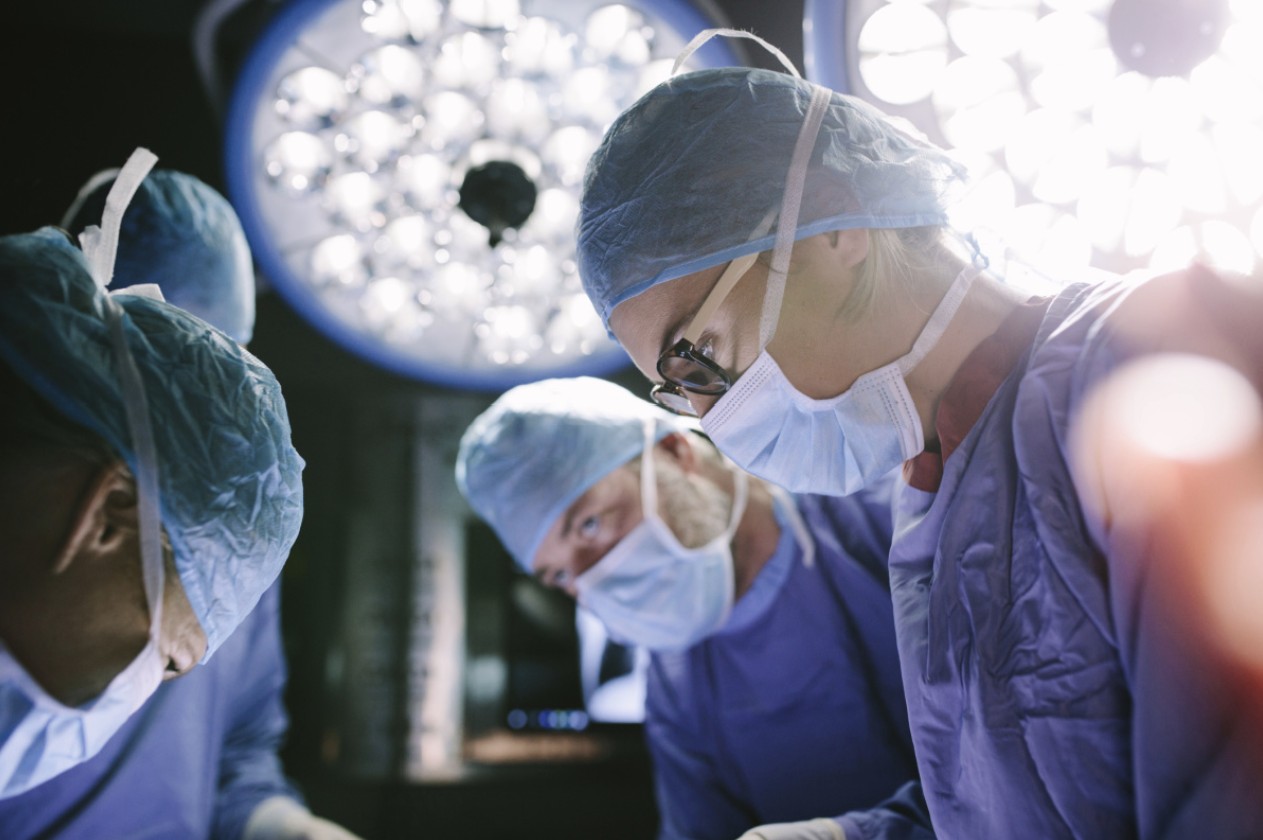
Surgery under general anaesthesia in a hospital is often needed if the bones are displaced, unstable, or affecting important functions like chewing, breathing, or vision. Depending on the type of fracture, surgery will be performed immediately or delayed a few days until swelling settles.
Common surgical treatments include:
- Open Reduction and Internal Fixation (ORIF): The most common procedure, where titanium plates and screws are used to hold the bones in place.
- Jaw wiring: In some jaw fractures, the upper and lower jaws may be temporarily wired together to keep them stable during healing.
- Reconstructive surgery: For complex or multiple fractures, reconstructive surgery may be required to restore facial shape and function.
Recovery After a Facial Fracture - Healing Time
Facial fracture recovery time varies depending on the type and severity of the injury and the treatment received. Most people recover well within a few months. Complete facial fracture healing time, including full bone consolidation, typically takes 4 to 6 months. Cheekbone fracture recovery time is usually 4 to 8 weeks for initial healing, with full recovery at 3 to 4 months.
Dr van Mourik will give you detailed post-operative instructions during your initial consultation. To maximise your chance of making a quick recovery without complications, please pay careful attention to these instructions
What to Expect After Fracture Surgery
Hospital Stay
Most patients stay in hospital for one to two days after surgery.
Pain and Swelling
While in hospital, you’ll receive intravenous pain relief prescribed by your anaesthetist, which you can self-administer if needed. Within about 48 hours, most people can comfortably switch to oral pain medication such as Nurofen® or Panadeine Forte®.
Work and Normal Activities
You’ll usually need about a week off work or study, though this may vary depending on the extent of your fracture.
Stitches
Dissolving stitches are used in most cases. They gradually dissolve over 2-3 weeks.
Food and Diet
You’ll need to follow a soft diet for four to six weeks to allow proper healing.
Follow-Up
Dr van Mourik will schedule regular reviews to monitor your recovery and ensure everything is healing as expected.
Why See an Oral and Maxillofacial Surgeon for Facial Fractures?
Jaw surgery is a complex procedure that requires specialist training.
Oral and Maxillofacial Surgeons have the highest level of training and skills in jaw and facial surgery, having qualified as a surgeon, a doctor and a dentist.
They regularly perform facial surgery and offer the highest standard of surgical care. An Oral and Maxillofacial surgeon’s approach ensures:
- Surgery performed to the highest technical standard
- The best chance of a smooth recovery and long-term success
- Treatment guided by the most current medical and dental knowledge
- A lower risk of complications
- Specialist medical expertise to manage complications, should they arise
Trust an Oral and Maxillofacial Surgeon for the best outcomes for your surgery.
Meet Dr Kristian van Mourik
Meet Dr Kristian van Mourik
BBioMed, BDSHons, MBBS, FRACDS OMS
Dr Kristian van Mourik is a fully qualified Oral & Maxillofacial Surgeon with dual qualifications in medicine and dentistry, as well as specialist surgical training. He has more than 15 years’ experience managing facial trauma, corrective jaw surgery, wisdom tooth removal, dental implants, and oral pathology.
Qualifications include:
- Bachelor of Biomedicine – Monash University
- Bachelor of Dentistry with Honours – University of Sydney
- Bachelor of Medicine / Bachelor of Surgery – University of Sydney
Dr van Mourik is registered with both the Medical Board of Australia and the Dental Board of Australia as a specialist Oral & Maxillofacial Surgeon.
2
Convenient locations
120+
Verified Google Reviews
120+ Google Reviews
Trusted by Hundreds of Patients Across Sydney
Dr Kristian Van Mourik Associations & Accreditations
FAQs for Facial Trauma in Sydney
Do all facial fractures require surgery?
No. Many minor or non-displaced fractures heal without an operation. Regular reviews and imaging are used to monitor progress.
How soon should a facial fracture be treated?
If surgery is required, it is often performed within the first week after injury once swelling decreases. Timing is tailored to each case.
Will plates and screws need to be removed?
Plates and screws used to stabilise fractures are usually permanent. Removal is only considered if they cause problems later on.
How long does recovery take after facial fracture surgery?
Swelling and bruising generally improve within two weeks. Most patients return to work or school within one to two weeks. Complete bone healing takes several months.
Where is facial trauma surgery performed in Sydney?
Procedures are carried out in accredited private hospitals, with anaesthesia provided by specialist anaesthetists and follow-up arranged through Dr van Mourik’s Bondi Junction and Lindfield clinics.
Does a fractured cheekbone require surgery?
Not all cheekbone fractures require surgery. Minor or non-displaced fractures may heal without surgical intervention, with conservative management including rest, ice, and pain relief. Fractured cheekbone surgery is recommended when the fracture is displaced, causing functional problems such as restricted jaw movement or vision changes, or affecting facial symmetry. Dr. Kristian van Mourik will assess your fracture and advise on the most appropriate treatment.
Can a broken cheekbone heal itself?
A broken cheekbone can heal without surgery if the fracture is undisplaced and not causing functional problems. However, healing without treatment does not necessarily mean healing correctly. An untreated cheekbone fracture that heals in a displaced position may result in permanent flattening, asymmetry, or restricted jaw movement. Early specialist assessment is recommended to ensure the fracture is managed appropriately.
How long does a fractured cheekbone take to heal?
Cheekbone fracture recovery time depends on the severity of the injury and whether surgery was required. Initial healing typically occurs over 4 to 8 weeks, during which swelling and bruising resolve. Full facial fracture healing time, including complete bone consolidation, takes 3 to 4 months. Patients who have had fractured cheekbone surgery may notice that swelling continues to improve for several months after the procedure.
What is the difference between facial fracture management and facial fracture surgery?
Facial fracture management refers to the overall approach to treating a facial fracture, which may include non-surgical observation, medication, and rehabilitation as well as surgery. Facial fracture surgery is the operative component of management, involving procedures such as Open Reduction and Internal Fixation (ORIF) with titanium plates and screws. Not all facial fractures require surgery.
What is an untreated zygomatic fracture?
An untreated zygomatic fracture is a fracture of the cheekbone (zygoma) that has not been surgically or conservatively managed. Over time, an untreated zygomatic fracture can lead to permanent changes to facial contour, restricted mouth opening, and in some cases, damage to surrounding structures. Early consultation with a facial bone specialist is important to assess whether treatment is needed.
Sydney Suburbs We Service for Facial Trauma
Facial trauma assessment and treatment is available across Sydney’s Eastern Suburbs and North Shore.
- Bondi
- Bronte
- Clovelly
- Coogee
- Randwick
- Paddington
- Woollahra
- Double Bay
- Bellevue Hill
- Tamarama
- Waverley
- Surrounding Eastern Suburbs
- Roseville
- Chatswood
- Killara
- Gordon
- Pymble
- Turramurra
- St Ives
- Wahroonga
- Hornsby
- Willoughby
- Castle Cove
- Other North Shore suburbs
Our Sydney Clinics
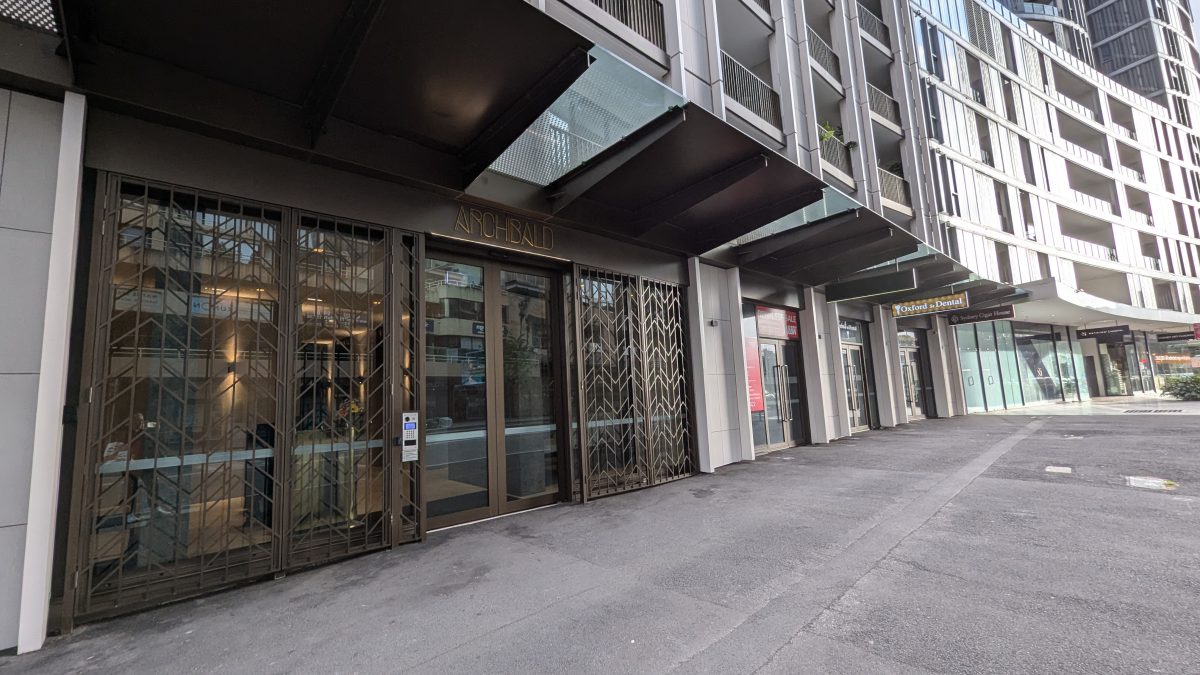
Bondi Junction
Located in the heart of the Eastern Suburbs, our Bondi Junction clinic is easily accessible by train, bus, and nearby parking.
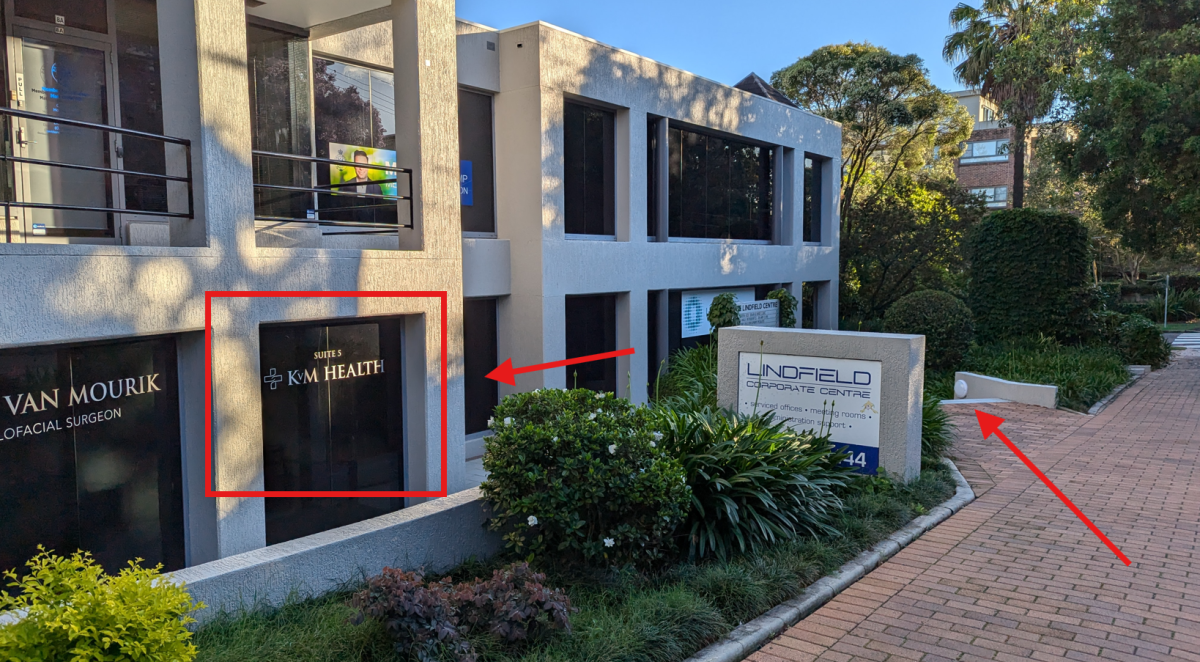
Lindfield
Conveniently positioned on the North Shore, our Lindfield clinic is close to public transport and offers parking options nearby.