

Specialist dental bone grafting and gum grafting in Sydney.

Dental Bone Graft Specialist in Sydney

Dr. Kristian van Mourik performs bone grafting for dental implants, jaw bone grafting, and gum grafting in Sydney. Procedures include socket preservation, ridge augmentation, and sinus lifts to restore the strength and shape needed for lasting dental implants.

Contact Us

Call Us:

Locations

With more than 15 years of specialist practice, Dr Kristian van Mourik provides Dental Bone Grafting at clinics in Bondi Junction and Lindfield.

Our practice provides a wide scope of oral and maxillofacial surgery in Sydney, built on more than 15 years of specialist experience. With two established clinics and a patient-first approach, we focus on careful planning, clear communication, and safe surgical care. Learn more about our team and history in the link below

What is Dental Bone Grafting?

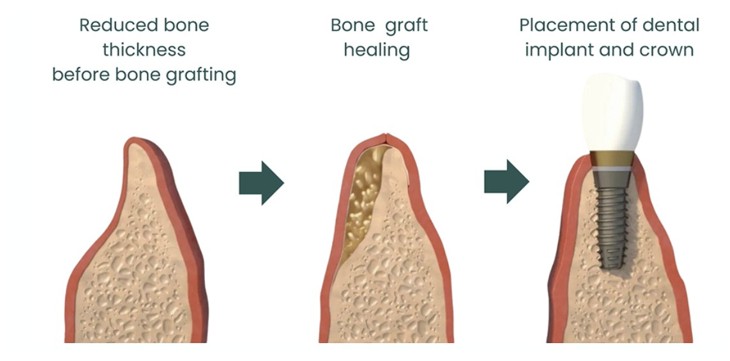
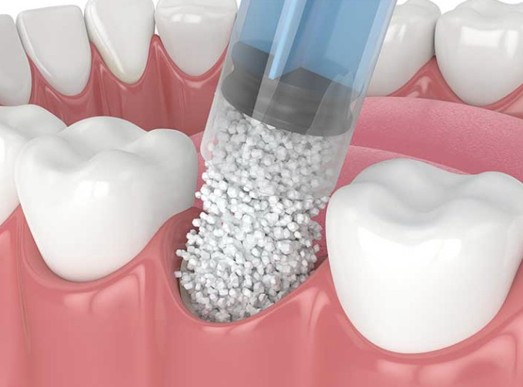
A dental bone graft helps restore the strength, shape, and density of your jawbone to create a solid foundation for dental implants.

Bone grafting for dental implants is one of the most common procedures Dr. Kristian van Mourik performs, and is often required before or alongside implant placement.

Jaw bone grafting procedures include socket preservation (protecting bone after extraction), ridge augmentation (increasing jawbone width or height), and sinus lifts (adding bone to the upper jaw for implant support).


Types of Bone Graft Materials

Gum Grafting in Sydney

Gum grafting in Sydney is performed to treat receding gums, protect exposed tooth roots, and improve the appearance of the gumline. Dr. Kristian van Mourik performs gum graft procedures at clinics in Bondi Junction and Lindfield.

When is Gum Grafting Required?

Gum grafting may be recommended if your gums have receded due to periodontal disease, aggressive brushing, or other causes. Receding gums expose the root surface, increasing sensitivity and the risk of decay. A gum graft restores gum tissue and protects the tooth.

What Does Gum Graft Surgery Involve?

A gum graft procedure involves taking a small amount of tissue, usually from the roof of the mouth or from a donor source, and placing it at the site of recession. The procedure is performed under local anaesthetic. Recovery is typically straightforward, with most patients returning to normal activities within a few days.

Gum Graft Cost in Sydney

Gum graft cost in Sydney varies depending on the extent of recession and the number of teeth treated. A written quote is provided at your consultation. Private health insurance may contribute to the cost depending on your level of cover.


When is Bone Grafting Required?

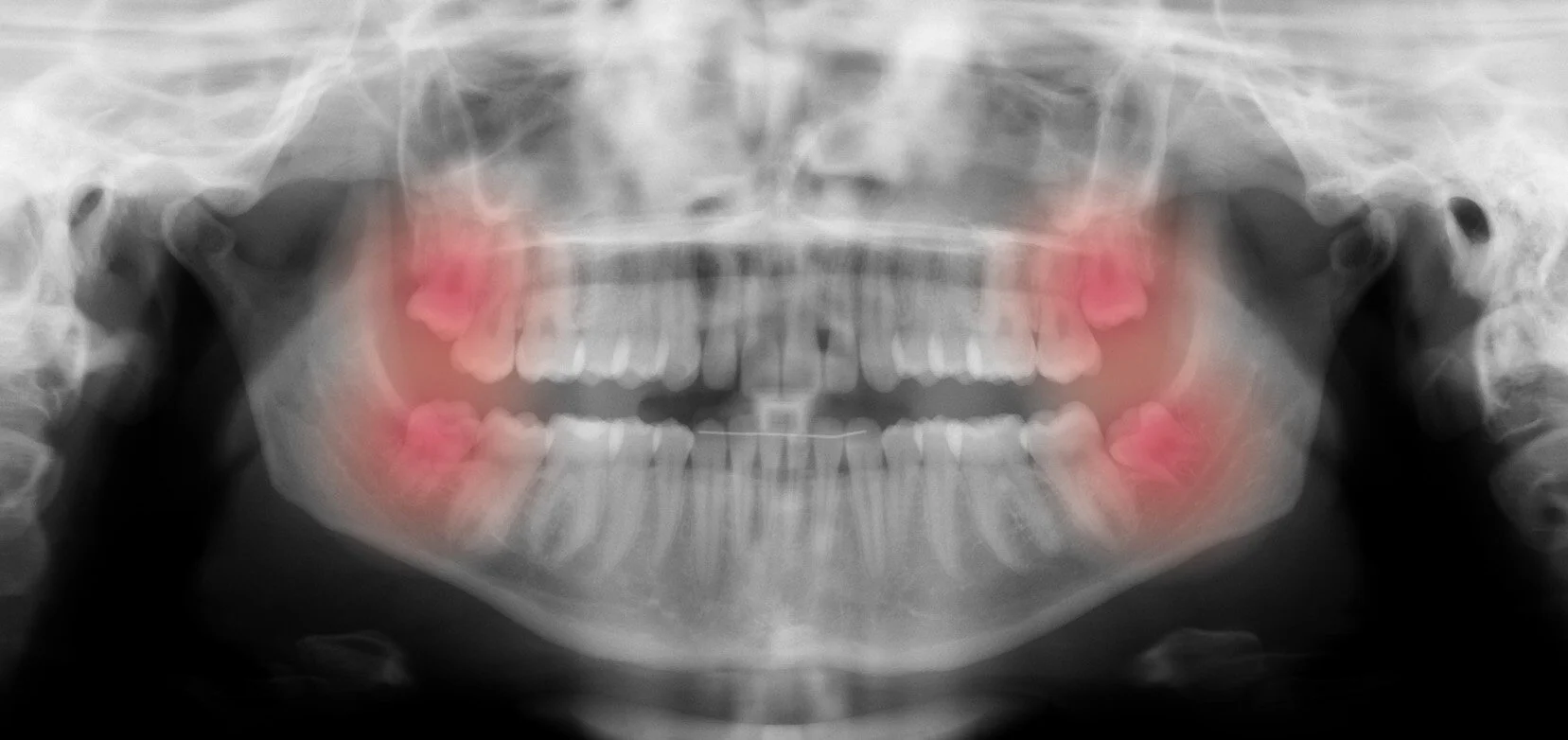
Bone grafting for dental implants is recommended when there is not enough healthy jawbone to support an implant. Jaw bone grafting may also be required to repair bone loss from infection, trauma, or gum disease, or to rebuild the jaw before dentures.

It may be required to:

  • Fill a tooth socket after extraction (socket preservation).
  • Build bone before dental implant placement with a bone grafting procedure for dental implants.
  • Lift sinuses in the upper jaw with a sinus lift for implant support.
  • Rebuild the jaw before dentures.
  • Repair bone loss from trauma, infection, or gum disease.
  • Stabilise loose teeth by strengthening surrounding bone

Depending on your needs, bone grafting can be done after tooth removal, before, or during implant placement.


Do Dental Bone Grafts Work and How Long Do They Last?

Dental bone grafts work by providing a scaffold for your body to grow new bone. When the graft fully integrates with your natural jaw bone, it can last a lifetime. Long-term success rates for bone grafting for dental implants are high when patients maintain good oral hygiene, attend regular dental check-ups, and avoid smoking. Medical conditions such as diabetes can slow healing and reduce graft stability, which Dr. Kristian van Mourik will discuss with you before treatment

Bone is living tissue and will lose density if not used. For the best results after a dental bone graft, most specialists recommend placing the dental implant within 6 to 12 months of the graft healing. Timely implant placement loads the bone and prevents shrinkage.

With proper care and timely implant placement, your dental bone graft in Sydney can provide a strong, lasting foundation.

The Dental Bone Graft Procedure: Step by Step

The dental bone graft procedure varies depending on where the graft is needed, but the following is a general overview of how bone grafting for dental implants is performed by Dr. Kristian van Mourik in Sydney.

1. Anaesthesia

Your surgeon will numb the area with local anaesthetic. If you’ve chosen sedation, you’ll receive medication to help you relax or sleep during the procedure.

2. Gum Access

A small incision is made in your gums to gently expose the jawbone.

3. Cleaning the site

The area is thoroughly cleaned and disinfected.

4. Placing the graft

Bone graft material is added to areas where bone has thinned or been lost.

5. Protective membrane

A thin guided bone regeneration membrane is placed over the graft to protect it while healing. Some membranes dissolve naturally. Others may need to be removed at a follow-up appointment.

6. Closing the gum

The gums are repositioned and stitched closed.

7. Optional healing boost

In some cases, platelet-rich plasma (PRP) from your own blood is applied to encourage faster healing and bone regeneration.


What to Expect After a Dental Bone Graft: Recovery Guide

Recovery from a dental bone graft happens in stages. Initial healing occurs in the first week and full bone integration takes several months. The following guide covers what to expect after a dental bone graft, including pain management, diet, and when you can return to exercise.

Pain Management

It’s normal to experience some discomfort, swelling, and minor bleeding during the first 24–48 hours.

  • Use prescribed pain medication as directed Most patients manage well with common pain relief such as Panadol® or Nurofen®
  • Apply ice packs to your cheeks in short intervals for the first day to reduce swelling.
  • Swelling usually peaks after 48 hours and then begins to subside.

Diet

  • Stick to soft, cool foods (such as yoghurt, smoothies, soup, and mashed vegetables) for the first few days.
  • Avoid hard, crunchy, or sticky foods that may disturb the graft.
  • Gradually reintroduce solid foods after the first week
  • Stay hydrated

Work or School

Most patients return to work or school within a few days after a dental bone graft, provided the activity is not physically demanding. Strenuous exercise and heavy lifting should be avoided for at least 48 hours. Most patients can resume light exercise after 48 hours and full exercise after one week, once swelling and discomfort have resolved

Stitches and Site Care

  • Stitches may dissolve on their own
  • Keep the area clean but avoid brushing directly over the graft for a couple of days.
  • Do not spit, rinse vigorously, or smoke, as these can disrupt healing and dislodge the graft.
  • Avoid smoking

Follow-Up Appointments

Your Oral and Maxillofacial Surgeon will schedule follow-up visits to monitor your progress.

  • X-rays may be taken to check bone integration.
  • Once healing is confirmed, the next step (such as dental implant placement) can proceed.

What to Expect Before and After Dental Bone Graft

Before Your Dental Bone Graft

Before a dental bone graft, Dr. Kristian van Mourik will complete a full clinical assessment including X-rays and sometimes a cone beam CT scan to measure the volume of bone available. A treatment plan is prepared outlining the procedure, anaesthesia, and timeline for implant placement.

After Your Dental Bone Graft

After a dental bone graft, patients can expect some swelling and discomfort in the first 48 hours. The graft site heals progressively over several months as new bone integrates. Full bone integration takes 3 to 6 months depending on the size of the graft. Once healing is confirmed, dental implant placement can proceed.


Dental Bone Graft Cost in Sydney: What to Expect

Dental bone graft cost in Sydney varies depending on the size and location of the graft, complexity of the procedure, type of bone graft material used, anaesthesia requirements, and whether surgery is performed in-clinic or in a hospital. Gum graft cost in Sydney is assessed separately. Dr. Kristian van Mourik provides a detailed written quote with item numbers after your consultation so you can check your private health fund rebate

Medicare covers part of the initial consultation and certain hospital fees if the bone grafting procedure for dental implants is performed in an accredited facility. If an anaesthetist is required, both Medicare and private health insurance contribute to their fees. Some out-of-pocket costs will apply. Patients are encouraged to check their dental bone graft cost australia entitlements with Medicare and their private health insurer before treatment

After your consultation, you’ll receive a detailed written quote with item numbers, allowing you to check with your private health fund to confirm available rebates and out-of-pocket costs.

While price is an important consideration, it’s equally important to choose an experienced Oral & Maxillofacial Surgeon who can perform the procedure safely and provide clear guidance for your recovery

Why Choose a Specialist Oral and Maxillofacial Surgeon for Dental Bone Grafting?

Dental bone graft procedures are more complex than many other dental treatments

Choosing a highly trained surgeon helps reduce the risk of complications such as:

  • Excessive bleeding
  • Infection or graft failure
  • Nerve injury or prolonged numbness

Why choose an Oral and Maxillofacial Surgeon?

Oral and Maxillofacial Surgeons are qualified as doctors, dentists, and surgeons, giving them the highest level of training in oral surgery and bone reconstruction. They perform dental bone graft procedures and bone grafting for dental implants regularly, providing specialist care held to the highest surgical and safety standards.

The benefits of specialist care:

  • Surgery performed to the highest technical standard
  • The best chance of graft integration and long-term success
  • Treatment guided by the most current medical and dental knowledge
  • A lower risk of complications
  • Specialist medical expertise to manage complications, should they arise

Trust an Oral and Maxillofacial Surgeon for the safest and most successful outcomes in your dental bone graft procedure.

Meet Dr Kristian van Mourik

Meet Dr Kristian van Mourik

BBioMed, BDSHons, MBBS, FRACDS OMS

Dr. Kristian van Mourik is a specialist Oral and Maxillofacial Surgeon in Sydney with more than 15 years of experience performing dental bone grafting, bone grafting for dental implants, gum grafting, and the full scope of oral and maxillofacial procedures. He holds dual qualifications in medicine and dentistry, making him one of a small number of dental bone graft specialists in Australia trained to this level.

Academic background includes:

  • Bachelor of Biomedicine – Monash University
  • Bachelor of Dentistry with Honours – University of Sydney
  • Bachelor of Medicine / Bachelor of Surgery – University of Sydney

His practice covers the full scope of oral and maxillofacial surgery, including TMJ disorders, corrective jaw surgery, wisdom tooth removal, dental implants, trauma surgery, and oral pathology. Dr van Mourik is registered with both the Medical Board of Australia and the Dental Board of Australia as a specialist Oral & Maxillofacial Surgeon.

Dr Kristian Van Mourik Associations & Accreditations

Monash University logo
Australian & New Zealand Association of Oral & Maxillofacial Surgeons Sydney logo
IAOMS Member - International Association of Oral & Maxillofacial Surgeons logo
Royal Australasian College of Dental Surgeons
American Association of Oral & Maxillofacial Surgeons Sydney Member
University of Sydney logo

Dental Bone Grafting in Sydney FAQS

How successful are dental bone grafts?

Dental bone grafts are a highly successful and predictable treatment — many studies report success rates well above 90%,.  Autografts (your own bone) remain the “gold standard” with the most predictable success rates. However, no procedure is entirely without risk. Factors such as smoking, poor medical health (e.g., uncontrolled diabetes), or compromised jawbone quality can increase the chance of graft or implant failure.

What are the risks/complications of dental bone grafts?

A dental bone graft is generally very safe, especially when performed by an experienced Oral and Maxillofacial Surgeon. However, as with any surgery, there are small risks, including:

  • Mild reaction to anaesthesia
  • Infection at the graft site
  • Temporary numbness or tingling (nerve irritation)
  • Minor bleeding or swelling
  • Rare graft failure (more likely in smokers or those with medical conditions)

These issues are uncommon, and your Sydney dental bone graft specialist will take every precaution to ensure a smooth and comfortable recovery.

What are the common side effects after a dental bone graft?

After your dental bone graft procedure, it’s normal to experience some mild swelling, tenderness, or bruising for up to one to two weeks. These symptoms can usually be managed with over-the-counter pain relief, and your surgeon may prescribe antibiotics to prevent infection.
You might notice tiny bone fragments coming from the surgical site in the first few days — they can look like grains of salt or sand. This is normal, but if you notice a large amount or have concerns, contact your surgeon.

How can I make my dental bone graft recovery easier?

Do:

  • Apply ice packs to your outer jaw to reduce swelling.
  • Eat soft foods for several days after surgery.
  • Keep your head elevated to minimise swelling.
  • Follow all post-op instructions from your surgeon.
  • Keep the surgical site clean and take medications as prescribed.

Don’t:

  • Disturb or touch the surgical area.
  • Drink alcohol for at least two weeks after surgery.
  • Exercise or lift heavy items for 48 hours post-procedure.
  • Spit or rinse your mouth vigorously.
  • Smoke or vape during recovery, as this can slow healing.
  • How long does it take to recover from a dental bone graft?
    Recovery time varies depending on the size and complexity of your dental bone graft in Sydney. Most patients experience initial healing within a week, but the bone itself usually needs around three months to fully integrate with your jaw. For larger or more complex bone grafts, complete healing may take between nine and 12 months.
Signs of dental bone graft failure may include:
  • Persistent or worsening pain or swelling after the first week.
  • Pus or discharge around the surgical site.
  • Gum recession (when gums pull away from the teeth).
  • No improvement in jawbone volume or implant support.

If you notice any of these symptoms, contact your dental surgeon in Sydney as soon as possible for assessment and care.

How is bone grafting done for dental implants?

Bone grafting for dental implants involves placing bone graft material into the area where bone has been lost. The material acts as a scaffold for your body to grow new bone. Once the graft has integrated, typically 3 to 6 months, a dental implant can be placed. Dr. Kristian van Mourik performs the full procedure from bone graft to implant placement.

How much does a dental bone graft cost in Australia?

Dental bone graft cost in Australia varies depending on the size of the graft, the procedure complexity, and the type of anaesthesia required. Medicare may cover part of the consultation and certain hospital fees. A written quote with item numbers is provided before treatment.

How long does it take to recover from a dental bone graft?

Initial healing after a dental bone graft takes approximately one week. Full bone integration takes 3 to 6 months. Most patients return to work within a few days and can resume exercise after 48 hours if there is no significant swelling or discomfort.

Do dental bone grafts work?

Yes. Dental bone grafts have high long-term success rates when performed by a specialist surgeon and when patients follow post-operative care instructions. Success depends on good oral hygiene, avoiding smoking, and timely dental implant placement after the graft has healed.

Areas We Service for Dental Bone Grafting

TMJ management and surgery available across Sydney’s Eastern Suburbs and North Shore.

  • Bondi
  • Bronte
  • Clovelly
  • Coogee
  • Randwick
  • Paddington
  • Woollahra
  • Double Bay
  • Bellevue Hill
  • Tamarama
  • Waverley
  • Surrounding Eastern Suburbs
  • Roseville
  • Chatswood
  • Killara
  • Gordon
  • Pymble
  • Turramurra
  • St Ives
  • Wahroonga
  • Hornsby
  • Willoughby
  • Castle Cove
  • Other North Shore suburbs

2

Convenient locations
across Sydney

120+

Verified Reviews
From our patients

Trusted by Hundreds of Patients Across Sydney

Dr Kristian van Mourik has received over 120 verified Google reviews across his Lindfield and Bondi Junction clinics.

While Australian healthcare advertising regulations limit how patient reviews can be displayed on medical service pages, prospective patients are welcome to view independent feedback directly on Google.

This volume of reviews reflects years of specialist Oral and Maxillofacial surgical care, clear communication, and a consistent patient experience across both clinic locations.

Our Sydney Clinics

Bondi Junction

Address:

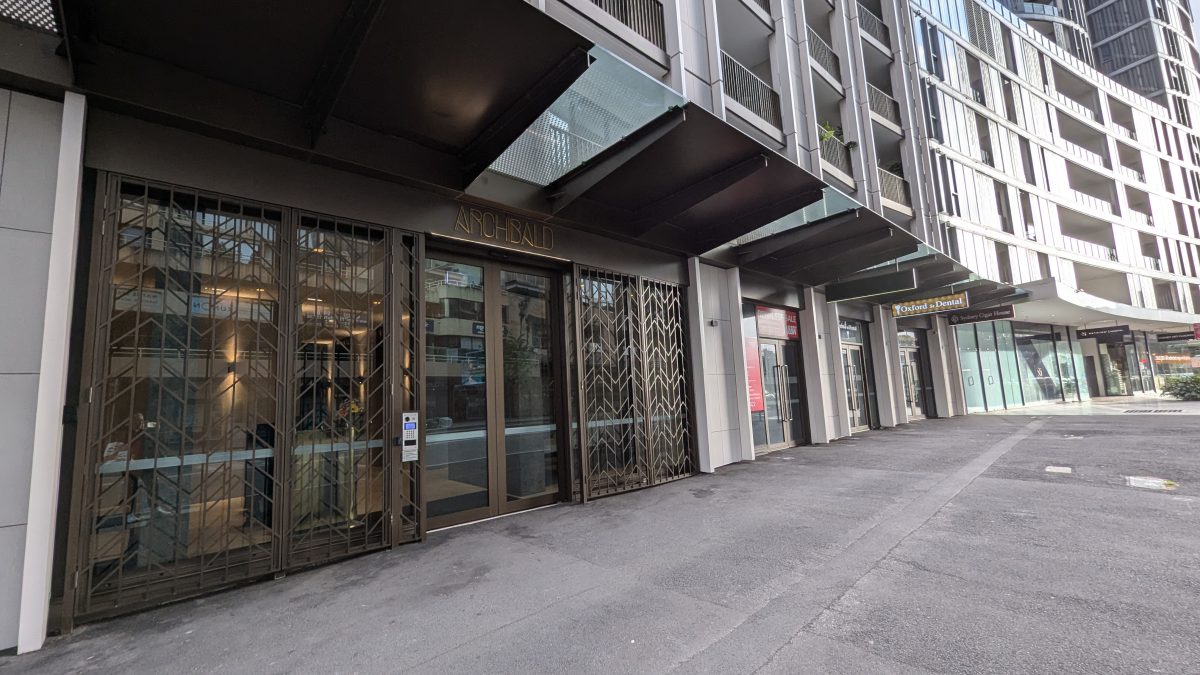
104/568 Oxford Street, Bondi Junction NSW 2022

Directions

Located in the heart of the Eastern Suburbs, our Bondi Junction clinic is easily accessible by train, bus, and nearby parking.

Lindfield

Address:

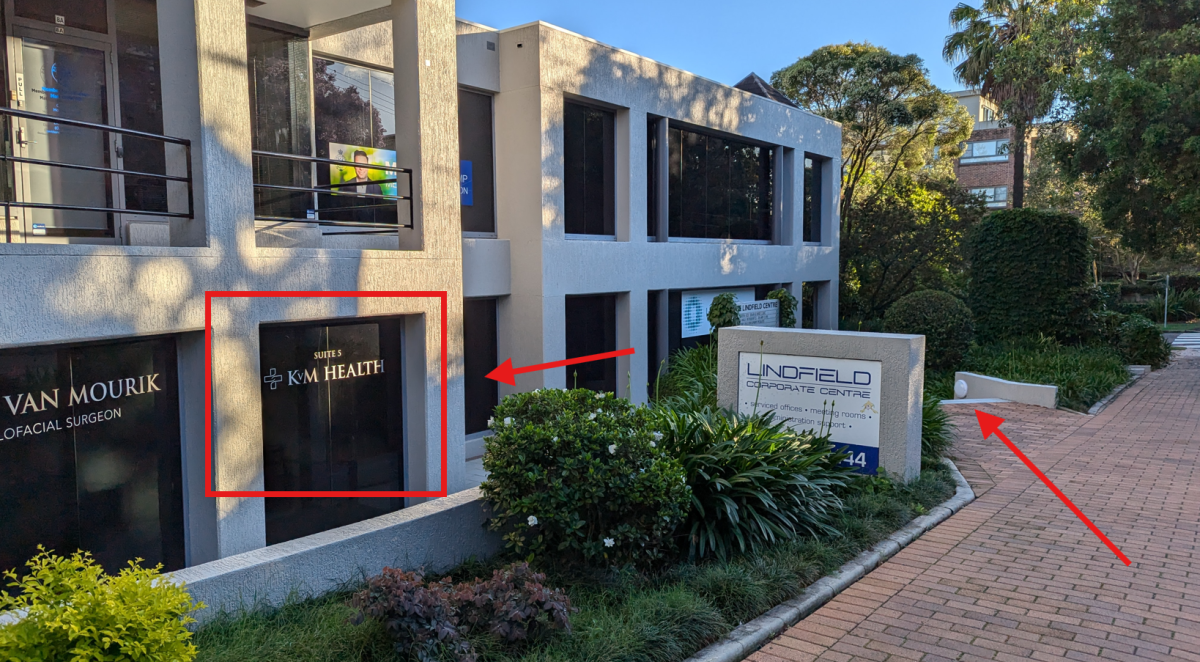
Suite 5, 12 Tryon Road, Lindfield NSW 2070

Directions

Conveniently positioned on the North Shore, our Lindfield clinic is close to public transport and offers parking options nearby.