Sleep Apnoea Surgery in Sydney
Sleep apnoea is a condition where the airway partially or completely collapses during sleep, causing repeated pauses in breathing. Treatment ranges from CPAP and oral appliances through to surgical correction of the underlying anatomical cause. For patients where non-surgical options have not worked or are not tolerated, surgery can provide a long-term solution.
With more than 15 years of specialist experience, Dr Kristian van Mourik provides sleep apnoea surgery in Sydney
Dr Kristian van Mourik is a specialist Oral and Maxillofacial Surgeon in Sydney with more than 15 years of experience performing jaw surgery for sleep apnoea and airway procedures. He works closely with sleep physicians, ENT specialists, and orthodontists to plan evidence-based care for each patient.
What is Obstructive Sleep Apnea (OSA)?
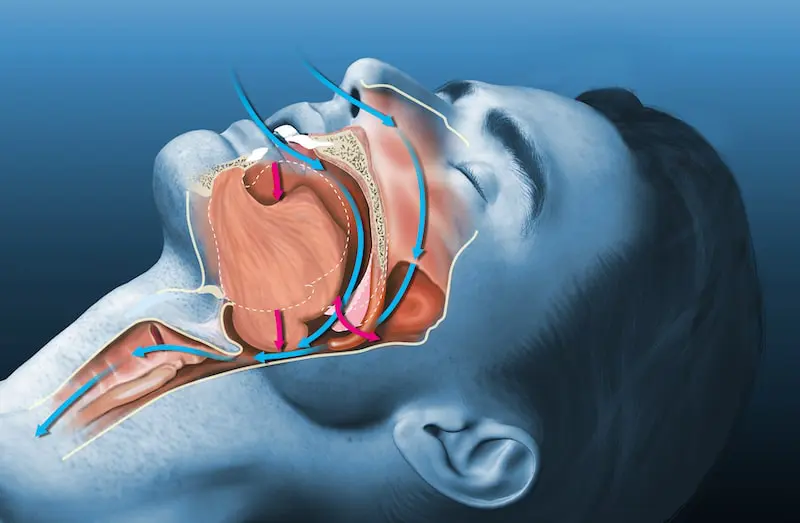
Obstructive sleep apnoea (OSA) is a common condition where the airway collapses during sleep, causing repeated pauses in breathing. Symptoms include loud snoring, disrupted sleep, high blood pressure, and increased cardiovascular risk. For patients who cannot tolerate CPAP or oral appliances, surgery for obstructive sleep apnea may be recommended. Dr. Kristian van Mourik performs specialist sleep apnoea surgery in Sydney for eligible patients.
Snoring Surgery in Sydney
Snoring is one of the most common symptoms of obstructive sleep apnoea. In many cases, snoring surgery in Sydney can reduce or eliminate snoring by addressing the structural cause of airway restriction.
What Causes Snoring?
Snoring is one of the most common symptoms of obstructive sleep apnoea. In many cases, snoring surgery in Sydney can reduce or eliminate snoring by addressing the structural cause of airway restriction.
Surgical Options for Snoring
Snoring surgery options include upper throat surgery (modified UPPP), nasal surgery such as septoplasty, and jaw surgery for sleep apnea (MMA) where jaw anatomy is contributing to the snoring. Dr. Kristian van Mourik assesses each patient individually to recommend the most appropriate snoring surgery in Sydney.
Symptoms and Problems Caused by Obstructive Sleep Apnea
Obstructive sleep apnea can significantly affect your quality of sleep and overall health. Common symptoms to watch for include:
Excessive daytime sleepiness
Interrupted sleep can cause persistent fatigue, making it difficult to stay awake, concentrate, or perform daily tasks safely especially when driving or working.
Loud or frequent snoring
Snoring is one of the most noticeable signs of airway obstruction. It occurs when airflow is partially blocked, causing vibration of soft tissues in the throat.
Night awakenings accompanied by difficulty breathing
Episodes of breathing pauses often cause patients to wake abruptly, sometimes gasping or choking. These interruptions can occur dozens of times each night.
Rise in blood pressure, increasing risk of heart attack and stroke
Frequent drops in oxygen levels place stress on the cardiovascular system, leading to elevated blood pressure and greater risk of serious heart conditions.
Waking up with a dry mouth or sore throat
Mouth breathing during sleep, often due to airway restriction, can cause dryness, soreness, or discomfort upon waking.
Difficulty concentrating during the day
Poor sleep quality reduces mental clarity and memory, leading to decreased productivity and increased irritability.
Morning headaches
Low oxygen levels and disrupted sleep patterns can contribute to headaches or a heavy, foggy feeling in the morning.
Nighttime sweating
Repeated arousals during sleep trigger the body’s stress response, which may cause sweating or restlessness overnight.
Depression
Long-term sleep disruption can affect mood-regulating hormones, contributing to symptoms of anxiety, low motivation, and depression.
Do I Need Surgery for OSA?
Surgery for obstructive sleep apnoea is not the first treatment option, but it can fix sleep apnea symptoms when other approaches have failed. You may benefit from a surgical opinion if you cannot tolerate CPAP or an oral appliance, if you have anatomical factors such as enlarged tonsils or misaligned jaws, or if your symptoms continue despite trying other treatments. Surgery is only recommended after conservative options have been tried. A specialist oral and maxillofacial surgeon or ENT surgeon will conduct a thorough assessment to confirm whether surgery for sleep apnea is likely to help in your case.
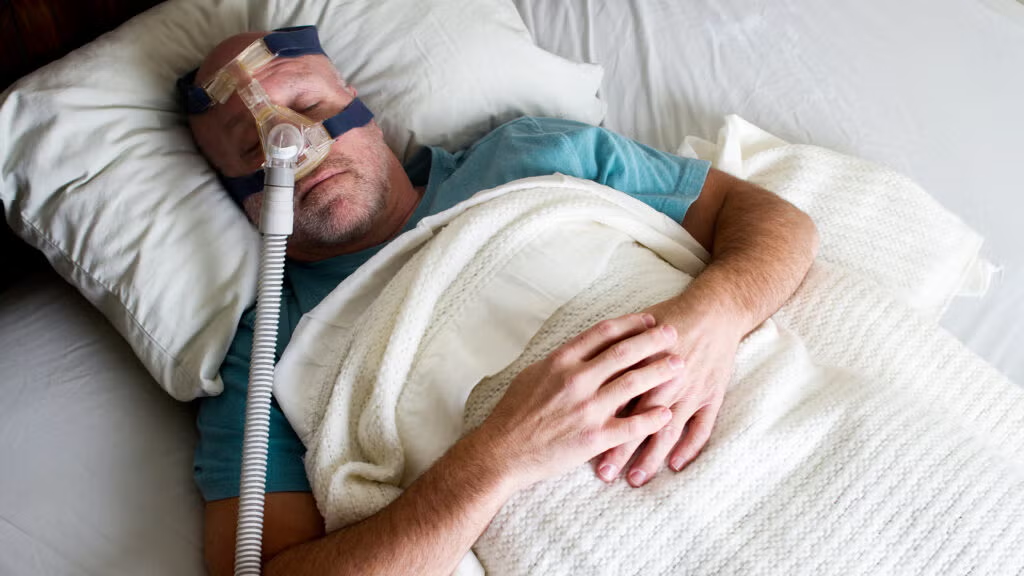
How Does Sleep Apnea Surgery Compare to CPAP?
CPAP is highly effective when used consistently but does not treat the underlying anatomical cause of the obstruction and requires nightly use of a device. Surgery is considered when:
- CPAP is not tolerated due to mask discomfort, pressure sensitivity, or claustrophobia
- CPAP compliance remains low despite trying different mask types and pressure settings
- There is a clear anatomical obstruction such as a recessed jaw, enlarged tonsils, or nasal deviation that can be corrected surgically
- The patient prefers a permanent solution that does not require nightly device use
MMA jaw surgery has success rates comparable to CPAP therapy and is currently the most effective surgical option for obstructive sleep apnoea. Most patients who undergo successful MMA surgery no longer require CPAP at their 6 to 12 month follow-up sleep study.
Benefits of Obstructive Sleep Apnea (OSA) Surgery
Obstructive sleep apnoea can affect your sleep, energy, concentration and overall health. When other treatments have not worked, surgery may be recommended to improve your breathing while you sleep.
Sleep apnoea surgery can help:
- Improve sleep quality
- Reduce snoring
- Increase daytime energy
- Improve concentration and mood
- Reduce morning headaches and dry mouth
- Support better long-term cardiovascular health
By treating the underlying cause of airway obstruction, sleep apnoea surgery can help you breathe more easily at night and improve your overall quality of life.
Types of Surgery for Obstructive Sleep Apnea (OSA)
There are several types of surgery for obstructive sleep apnea, depending on where the airway obstruction occurs. Treatment is planned with your sleep specialist and oral and maxillofacial surgeon based on your anatomy, symptoms, and previous treatment history. In some cases, a staged surgical approach is recommended.
Maxillomandibular Advancement (MMA)
Maxillomandibular Advancement (MMA) is jaw surgery for sleep apnea that moves both the upper and lower jaws forward to open the airway at the back of the throat. It is the most effective surgical option for obstructive sleep apnoea, with success rates comparable to CPAP therapy.
Rapid maxillary expansion (RME)
- Rapid Maxillary Expansion (RME) widens the upper jaw to increase airway space at the back of the mouth.
- Helps prevent the throat from collapsing during sleep, reducing pauses in breathing and improving oxygen levels.
- Most effective in children, helping prevent long-term complications from sleep apnoea.
- Performed by an oral and maxillofacial surgeon, a highly specialised surgeon with both medical and dental qualifications.
Nasal Surgery
Nasal obstruction can worsen obstructive sleep apnoea and reduce the effectiveness of CPAP therapy. Nasal surgery for sleep apnea includes septoplasty (correcting a deviated septum), turbinate reduction, removal of nasal polyps, and sinus surgery or rhinoplasty. Improving nasal airflow can reduce sleep apnoea severity and make CPAP more tolerable.
Upper Throat Surgery
- Tonsillectomy may help patients with enlarged tonsils.
- Modified UPPP (Uvulopalatopharyngoplasty) repositions the palate and throat muscles forward to open the airway.
- Often combined with other upper airway procedures for best results.
Lower Throat Surgery
- Obstruction at the base of the tongue can block the airway during sleep.
- Options include:
- Radiofrequency reduction to shrink tongue tissue
- Surgical removal of excess tissue
- Usually combined with other throat or palate surgeries.
Weight loss surgery
- Reduces excess fat in the tongue, neck, and throat, helping to open the airway.
- May improve or resolve OSA symptoms in some patients.
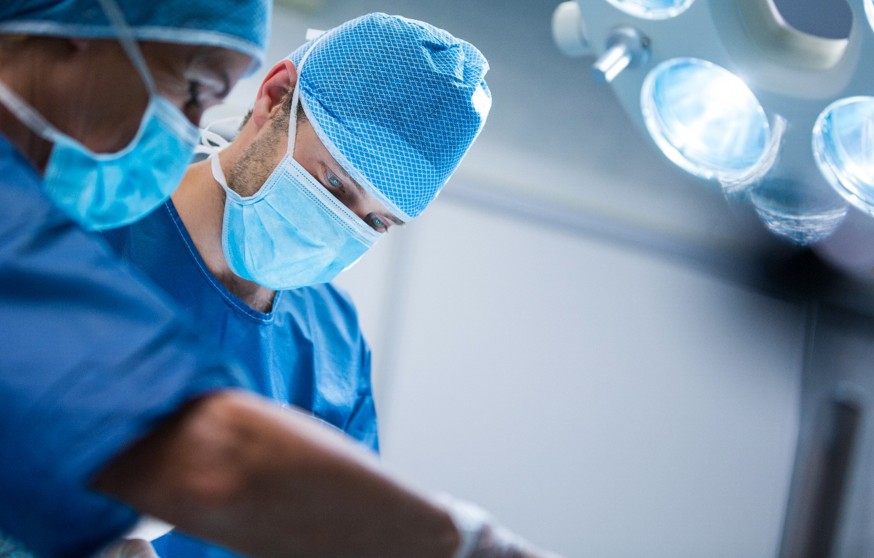
What Does Surgery for Sleep Apnea Involve?
The following is an overview of Maxillomandibular Advancement (MMA), the primary jaw surgery for sleep apnea performed by oral and maxillofacial surgeons. MMA surgery for sleep apnea moves both jaws forward to permanently open the upper airway. In cases where jaw widening is more appropriate, rapid maxillary expansion may be recommended instead.
Pre-surgery consultation
- Before jaw surgery for sleep apnea, Dr. Kristian van Mourik completes a full diagnostic assessment including cone beam X-rays and 3D jaw modelling.
- Orthodontic preparation may be required to align the teeth before surgery.
- Virtual surgical planning is used to map the procedure and create custom surgical plates and guides.
On the day of surgery
- Hospital Setting: Surgery takes place in a private hospital.
- Anaesthesia: You will be put to sleep under a general anaesthetic, safely administered by a specialist anaesthetist.
During surgery
- Sleep apnea jaw surgery is performed mostly inside the mouth, so there are no visible external scars. In rare cases, a small incision is placed within a natural skin crease.
- Precise bone cuts are made in the upper jaw (maxilla) and lower jaw (mandible), and both jaws are moved forward and secured with titanium plates and screws.
After surgery and healing
- Bone Healing: The jawbone heals over a period of 6–8 weeks.
- Plates and Screws: Titanium plates and screws remain permanently in place.
- Post-Surgical Orthodontics (if required): Minor orthodontic adjustments may be needed, usually beginning about 6 weeks after surgery.
What to Expect Before and After Jaw Surgery for Sleep Apnea
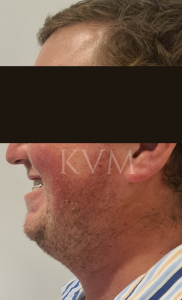
Before Sleep Apnea Surgery
Before jaw surgery for sleep apnea, Dr Kristian van Mourik will assess your airway and jaw anatomy in detail to determine whether surgery is appropriate for you.
This may include:
- Diagnostic imaging to assess your jaw position, airway and facial anatomy.
- Sleep study review to understand the severity and pattern of your obstructive sleep apnea.
- Orthodontic assessment and preparation, if required before surgery.
- Multidisciplinary planning with your sleep physician and orthodontist before a surgical decision is made.
Dr van Mourik will explain your personalised treatment plan, including the surgical process, expected recovery and how jaw advancement may improve your airway.
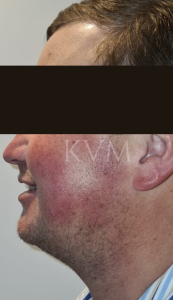
After Sleep Apnea Surgery
After maxillomandibular advancement (MMA) surgery for sleep apnea, most patients experience a significant reduction in apnoea events, less snoring and improved sleep quality.
Common outcomes after successful surgery include:
- Fewer apnoea events during sleep.
- Reduced snoring and improved breathing.
- Better sleep quality and daytime energy.
- Reduced or eliminated need for CPAP in many patients.
The full benefit of sleep apnea surgery is typically assessed 6 to 12 months after surgery with a follow-up sleep study. Many patients are able to stop using CPAP following successful jaw surgery, although this is confirmed through follow-up assessment rather than assumed immediately after surgery.
Dr van Mourik will provide personalised post-operative care and follow-up, including monitoring your healing and sleep apnea outcomes.
Recovery After Obstructive Sleep Apnea (OSA) Jaw Surgery
Recovery after jaw surgery for sleep apnoea takes time, with the early weeks focused on healing, managing swelling and gradually returning to normal activities. This guide explains what to expect during your recovery and follow-up care.
Hospital Stay
- Double jaw surgery: 2–3 nights in hospital.
- Maxillary expansion: day surgery
- You’ll be discharged once you can eat and drink without assistance.
Pain Management
- In hospital: Pain is controlled with intravenous analgesia (pain relief), prescribed by the anaesthetist and self-administered with a button.
- After 48 hours: Most patients manage well with pain tablets such as Nurofen® or Panadeine®.
- At home: You’ll continue with oral medication, usually in liquid form. Antibiotics and other medicines may also be prescribed.
Stitches
- Dissolving stitches are used in most cases.
- They gradually disappear over 2–3 weeks without needing removal.
Elastics (for surgeries of upper and lower jaw)
- Your teeth will feel tightly closed when you wake up—this is due to orthodontic elastics.
- These support jaw healing and comfort during swelling.
- Elastics are gradually loosened over 6 weeks and removed at your 6-week check-up.
Swelling
- A head wrap with a cooling pad will be used to minimise swelling. This should stay in place for 1–2 days with fresh ice added regularly.
- Swelling usually peaks around day 3–4 and then gradually improves.
- Keep your head elevated (2–3 pillows or a recliner) for about a week.
- It may take several weeks for swelling to completely resolve.
Bleeding & Bruising
- Mild oozing in the mouth or nose is normal.
- Large clots may be dislodged occasionally. If any heavy, bright red bleeding contact us.
- Bruising is very common after lower jaw surgery and may extend down the neck and chest.
Diet
- Upper and lower jaw surgery: A soft diet is required for 5-6 weeks.
- Some weight loss is common, frequent high-protein, high-calorie meals will help aid recovery.
Oral Care
- Begin gentle brushing with a soft, child’s toothbrush as soon as possible.
- Rinse with warm saltwater (1 tsp salt in 1 glass of warm water) at least 3 times daily.
Returning to Work, School & Exercise
Most patients take 2 to 3 weeks off work or school following MMA jaw surgery for sleep apnea. Energy levels typically improve after 2 weeks, with full recovery at 6 weeks. Strenuous exercise should be avoided until cleared by Dr. Kristian van Mourik. Contact sports are not permitted for 3 months post-surgery. Patients who have had maxillary expansion only typically return to normal activities within 1 day.
Recovery Timeline
Bone healing after sleep apnoea jaw surgery takes 6 to 8 weeks. Full recovery from MMA surgery for sleep apnea, including restoration of energy and return to all activities, takes 3 to 6 months. Post-surgical orthodontic adjustments, if needed, typically begin around 6 weeks after surgery.
Follow-Up Care
Dr. Kristian van Mourik reviews all sleep apnoea surgery patients at regular intervals to monitor healing and jaw alignment. Follow-up appointments are scheduled at 6 weeks, 6 months, and 12 months post-surgery. Attending these appointments is essential for long-term success after obstructive sleep apnea surgery.
Important Notes
- Do not blow your nose for 2 weeks if you had upper jaw or nasal surgery.
- Use saline spray and prescribed decongestants as directed.
- Report swelling or pain in one leg immediately, as this may signal a blood clot.
Dr van Mourik will provide you with tailored post-operative instructions before your surgery. Please follow them closely to maximise healing and minimise complications.
Before and After Results of OSA Surgery
Before and After Results of MMA Jaw Surgery
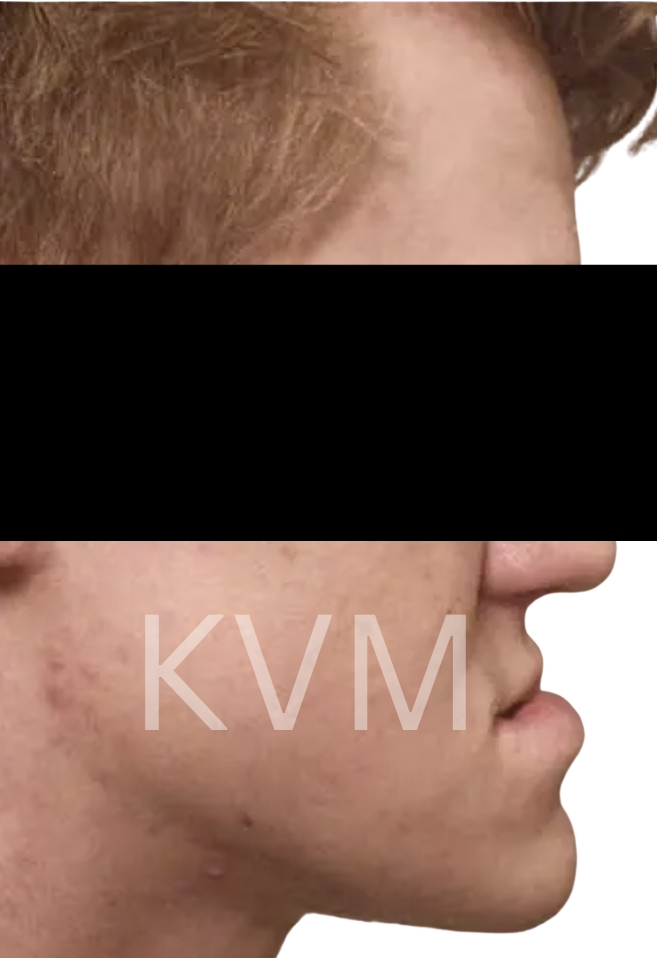
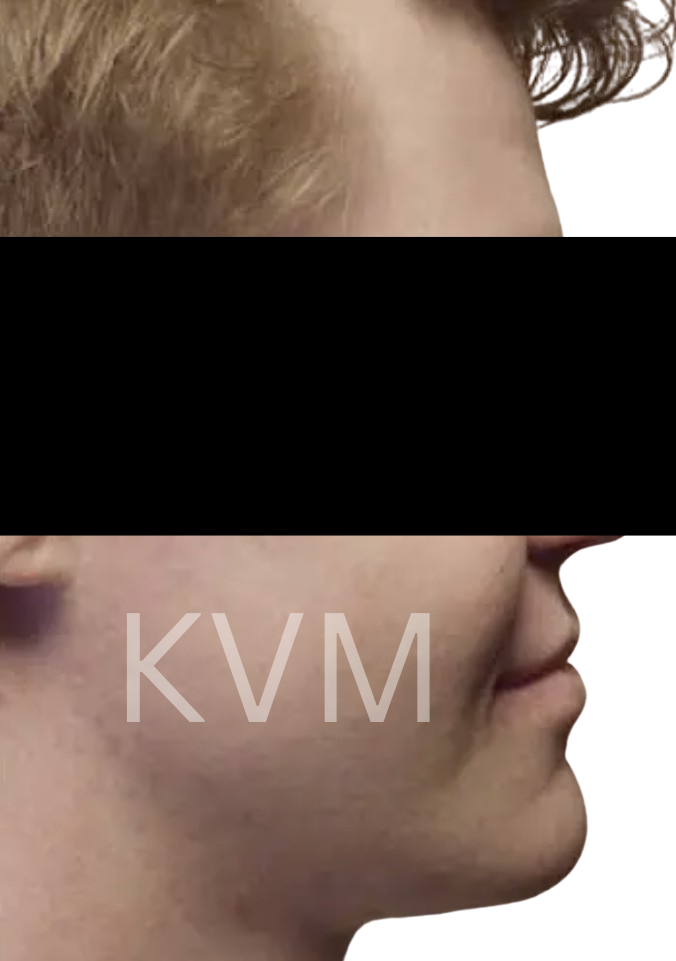
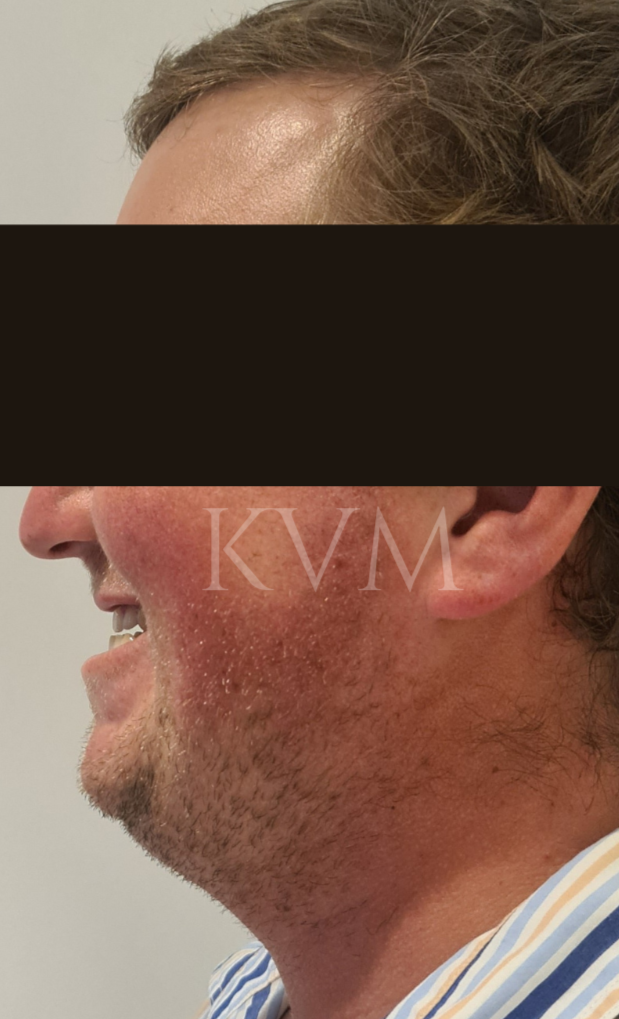
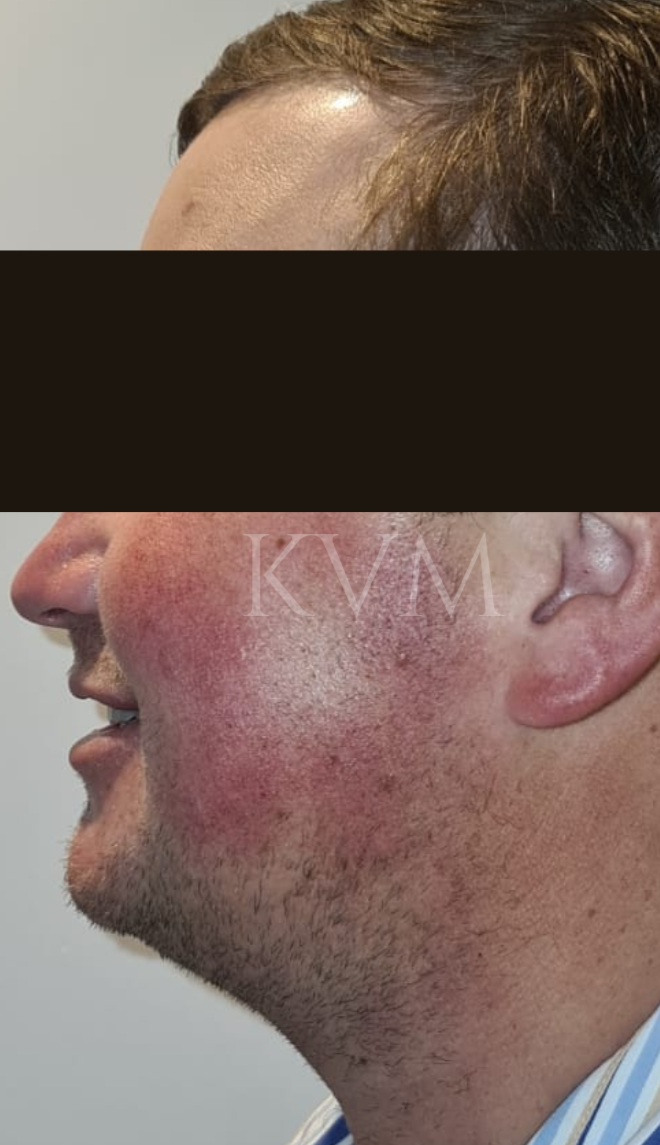
A Personalised Approach
No two cases of sleep apnoea surgery are the same. Treatment is planned around your airway anatomy, jaw structure, OSA severity, and previous treatment history. Dr. Kristian van Mourik works with your sleep physician and orthodontist to develop a surgical plan that addresses the specific cause of your obstruction. The goal is not only to reduce snoring and improve sleep, but to achieve a lasting outcome that improves your breathing, health, and quality of life.
Obstructive Sleep Apnea Jaw Surgery in Sydney Costs
The cost of sleep apnoea surgery in Sydney depends on the type of procedure, hospital requirements, and anaesthesia fees. Jaw surgery for sleep apnea (MMA) and nasal or throat procedures are priced separately. Medicare covers part of the consultation and certain surgical item numbers. A written, itemised quote is provided before treatment so you can check your private health insurance rebate.
Both Medicare and private health insurance contribute to hospital and anaesthetist costs.
Meet Dr Kristian van Mourik
Meet Dr Kristian van Mourik
BBioMed, BDSHons, MBBS, FRACDS OMS
Dr. Kristian van Mourik is a specialist Oral and Maxillofacial Surgeon in Sydney with more than 15 years of experience performing jaw surgery for sleep apnea, sleep apnoea surgery, and the full scope of oral and maxillofacial procedures. He holds dual qualifications in medicine and dentistry, making him one of a small number of surgeons in Australia trained to this level. He works closely with sleep physicians and ENT specialists to coordinate care for patients with obstructive sleep apnoea.
Academic background includes:
- Bachelor of Biomedicine – Monash University
- Bachelor of Dentistry with Honours – University of Sydney
- Bachelor of Medicine / Bachelor of Surgery – University of Sydney
His practice covers the full scope of oral and maxillofacial surgery, including TMJ disorders, corrective jaw surgery, wisdom tooth removal, dental implants, trauma surgery, and oral pathology. Dr van Mourik is registered with both the Medical Board of Australia and the Dental Board of Australia as a specialist Oral & Maxillofacial Surgeon.
2
Convenient locations
120+
Verified Google Reviews
120+ Google Reviews
Trusted by Hundreds of Patients Across Sydney
OSA Surgery FAQS
Do I have sleep aponea?
Surgery can fix sleep apnea in suitable candidates when other treatments such as CPAP or oral appliances have not worked. The most effective surgical option is Maxillomandibular Advancement (MMA), which moves both jaws forward to permanently open the upper airway. A full assessment with Dr. Kristian van Mourik will confirm whether surgery is appropriate for your case.
What is jaw surgery for sleep apnea and is it effective?
Jaw surgery for sleep apnea, also called Maxillomandibular Advancement (MMA), moves the upper and lower jaws forward to enlarge the airway at the back of the throat. It is the most effective surgical treatment for obstructive sleep apnoea, with long-term success rates comparable to CPAP therapy. Dr. Kristian van Mourik performs MMA as the primary surgical option for eligible patients.
How much does sleep apnea surgery cost in Australia?
Sleep apnea surgery cost in Australia varies depending on the procedure, hospital, and anaesthetist. Jaw surgery for sleep apnea (MMA) is a more complex procedure and is priced accordingly. Medicare covers part of the consultation and certain item numbers. Private health insurance contributes to hospital and anaesthetist costs. Dr. Kristian van Mourik provides a written, itemised quote before any surgery so you know your costs in advance.
Does Medicare cover sleep apnea surgery?
Medicare provides a rebate for the initial consultation and certain surgical item numbers for obstructive sleep apnoea surgery. The amount depends on the procedure and your specific circumstances. Private health insurance may also contribute to hospital and anaesthetist fees. We provide a full written quote before treatment, and we encourage patients to check their fund entitlements in advance.
What is the recovery time for sleep apnea surgery?
Sleep apnea surgery recovery time depends on the procedure. Patients who have MMA jaw surgery for sleep apnea typically take 2 to 3 weeks off work and reach full recovery in 3 to 6 months. Bone healing takes 6 to 8 weeks. Patients who have had maxillary expansion only can usually return to normal activities within 1 day. Dr. Kristian van Mourik provides tailored post-operative instructions for all patients.
When is surgery recommended for sleep apnea?
Surgery for sleep apnea is recommended when CPAP therapy or oral appliances have not provided sufficient relief, or when a patient cannot tolerate these devices. Anatomical factors such as enlarged tonsils, a deviated septum, or jaw misalignment may also make surgery the most appropriate option. A specialist assessment with Dr. Kristian van Mourik will determine whether you are a suitable candidate for sleep apnoea surgery in Sydney.
Our Sydney Clinics
Areas We Service for Sleep Apnea Surgery
Sleep apnoea surgery and treatment are available across Sydney’s Eastern Suburbs and North Shore. Dr Kristian van Mourik provides specialist surgical care for patients experiencing obstructive sleep apnoea, snoring, or airway obstruction at our Bondi Junction and Lindfield clinics.
- Bondi
- Bronte
- Clovelly
- Coogee
- Randwick
- Paddington
- Woollahra
- Double Bay
- Bellevue Hill
- Tamarama
- Waverley
- Surrounding Eastern Suburbs
- Roseville
- Chatswood
- Killara
- Gordon
- Pymble
- Turramurra
- St Ives
- Wahroonga
- Hornsby
- Willoughby
- Castle Cove
- Other North Shore suburbs
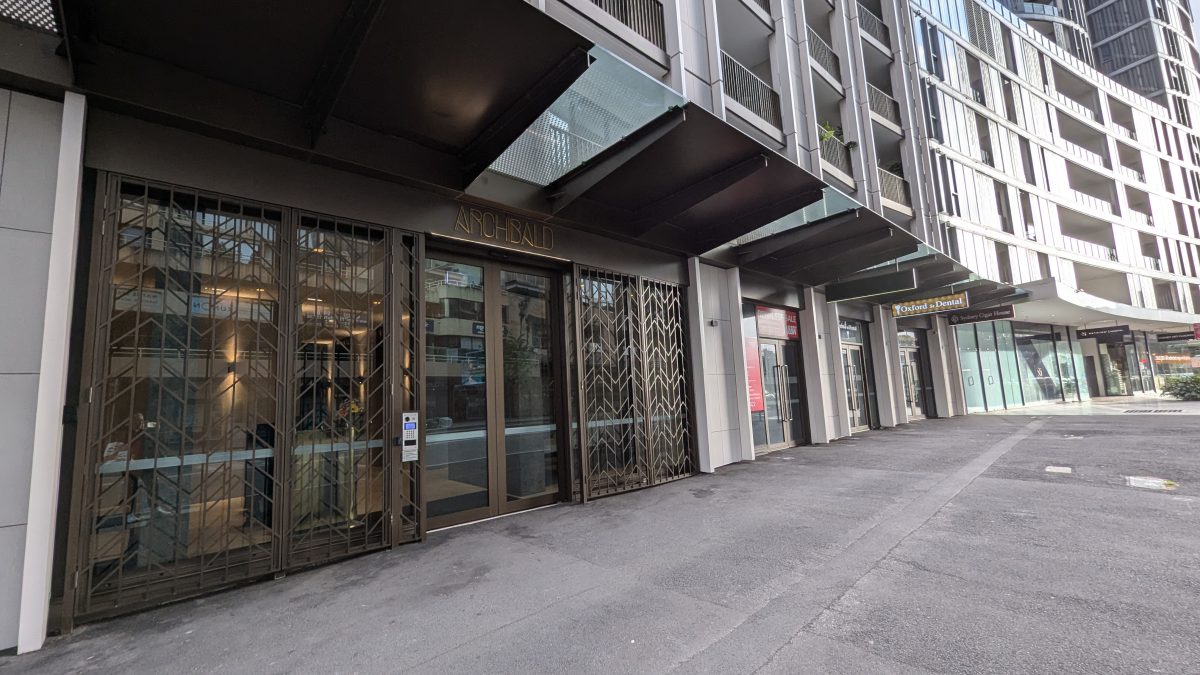
Bondi Junction
Located in the heart of the Eastern Suburbs, our Bondi Junction clinic is easily accessible by train, bus, and nearby parking.
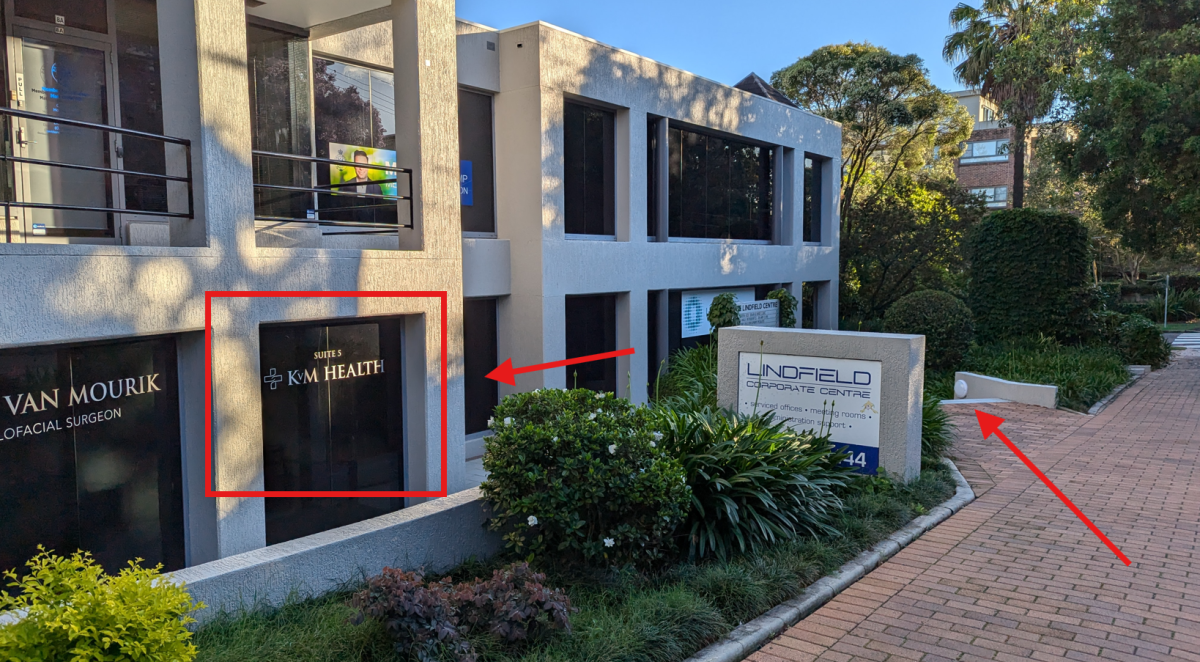
Lindfield
Conveniently positioned on the North Shore, our Lindfield clinic is close to public transport and offers parking options nearby.