Oral Pathology Diagnosis in Sydney
Oral and Maxillofacial Surgeon Dr Kristian van Mourik provides specialist diagnosis and management of mouth lumps, lip lesions, jaw lesions and facial pathology in Sydney.
Accurate diagnosis is the first step toward effective treatment. Dr van Mourik is an Oral and Maxillofacial Surgeon with 16 years of experience diagnosing and treating conditions affecting the mouth, face and jaws.
Our Oral and Maxillofacial Surgery practice provides specialist diagnosis and management of mouth, facial and jaw conditions.
What is Oral Pathology?
Oral pathology is the specialist diagnosis and treatment of conditions affecting the mouth, face, neck, and jaw.
This includes infections, benign growths, ulcers, cysts, and cancerous lesions.
Because the head and neck region contains complex anatomy, accurate diagnosis often requires referral to a specialist Oral and Maxillofacial Surgeon such as Dr. Kristian van Mourik.
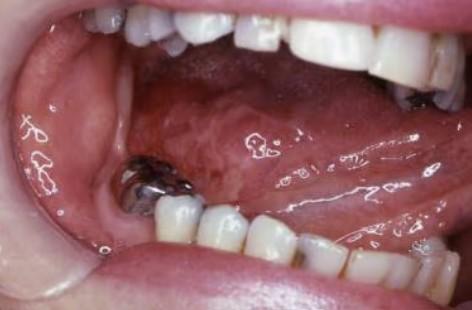
Squamous cell carcinoma of the tongue
Benign or Cancerous?
Benign oral lesions
Benign oral lesions are abnormal growths in the mouth that do not spread to other parts of the body. Some can grow large and affect nearby teeth, nerves or other structures, requiring surgical removal. Others can be safely monitored with regular examinations and imaging.
Cancerous oral lesions
Cancerous oral lesions are abnormal cells that can invade nearby tissues and spread to the lymph nodes or other parts of the body. They require prompt assessment and treatment, often including surgery. Other cancer specialists may also be involved in your care.
Common Oral Lesion Symptoms: When to See a Specialist
Many people notice a change in their mouth before seeking medical advice. Common signs that may need specialist oral pathology assessment include:
- A lump or bump on the roof of the mouth (palate)
- A pimple-like bump inside the mouth
- Red spots, patches or areas of redness
- White patches, spots or bumps (leukoplakia)
- A sore, ulcer or lesion on the lip, tongue or cheek that does not heal within 2–3 weeks
- Painful swelling or bumps in the mouth
- A lump or growth under the tongue or on the floor of the mouth
- Changes in the colour or texture of the gums, cheeks or palate
If you notice any of these changes, Dr Kristian van Mourik, Oral and Maxillofacial Surgeon, provides specialist oral pathology assessment, biopsy and diagnosis at clinics in Bondi Junction and Lindfield, Sydney.
How is Oral Pathology Diagnosed?
Examination, Biopsy and Imaging.
Diagnosing an oral lesion starts with a thorough examination. Depending on what is found, further tests such as a biopsy, X-ray or 3D imaging may be recommended to determine the cause and guide treatment.
Initial Consultation
During your first visit, Dr Kristian van Mourik will:
- Take a detailed medical and dental history, including relevant risk factors.
- Discuss your symptoms, how long the lesion has been present and any changes you have noticed.
- Examine your mouth, teeth, gums, tongue, jaws, head and neck.
- Assess the lesion’s size, colour, shape, texture and location.
- Check for signs of oral disease, precancerous changes or oral cancer.
- Recommend further investigations or tests, if required.
Investigations and Tests
Further investigations may be recommended depending on the type and location of the lesion. These may include:
- Biopsy – a small sample of tissue is removed and sent to a specialist pathologist for examination under a microscope.
- Dental X-rays – may be used to assess the teeth and surrounding bone.
- 3D CBCT imaging – provides detailed images of the jawbone, teeth and surrounding structures.
- Ultrasound or other imaging – may be recommended for certain soft tissue lesions or lumps.
Oral Biopsy
A biopsy is one of the most important tests for diagnosing an oral lesion. It helps determine whether a lesion is benign, precancerous or cancerous and identifies the specific type of condition.
Depending on the lesion, Dr van Mourik may perform an incisional biopsy, where part of the lesion is removed, or an excisional biopsy, where the entire lesion is removed.
Diagnosis and Treatment Planning
Once the examination and test results are available, Dr van Mourik will explain the diagnosis and discuss the most appropriate treatment options.
Treatment may include surgical removal, biopsy, medication or regular monitoring, depending on the type and location of the lesion.
If further specialist care is required, Dr van Mourik will coordinate your treatment with the appropriate medical or pathology specialists.
How Do You Treat Oral Pathology?
Treatment depends on whether the lesion is benign or cancerous:
For benign (non-cancerous) conditions:
Treatment depends on the type, size, and location of the lesion, as well as your individual symptoms. Management may include:
- Medication: In some cases, medicines such as antibiotics, anti-inflammatories, or topical treatments may be prescribed to help reduce swelling, pain, or infection.
- Surgical removal: If the lesion is unlikely to resolve on its own or is causing discomfort, Dr van Mourik may recommend a minor surgical procedure to remove it. This can often be done under local anaesthetic in the clinic, or under general anaesthetic in hospital for larger or more complex cases.
- Ongoing monitoring: Some benign lesions may not require immediate intervention. In these cases, Dr van Mourik will schedule regular reviews and imaging to monitor any changes over time.
- Symptom management: Supportive care is provided to relieve discomfort, manage inflammation, and maintain oral health while the condition is being observed or treated.
For oral cancer:
For patients diagnosed with cancerous conditions, treatment often involves a multidisciplinary approach . This means your care is carefully planned and coordinated between various specialists — including your Oral and Maxillofacial Surgeon, oncologists, radiotherapists, and other healthcare professionals.
Treatment options may include:
- Surgery: To remove the cancerous lesion and any affected surrounding tissues.
- Chemotherapy: The use of specialised medicines to destroy or slow the growth of cancer cells.
- Radiotherapy: High-energy X-rays are used to target and destroy cancer cells, helping to prevent further spread of the disease
Types of Surgery for Jaw and Oral Cancer
Surgery for cancer depends on the type, stage and location of the cancer
Resection of the tumour
This is the removal of the cancerous tumour and the tissue surrounding it.
Maxillectomy
Involves removing the tumour, part of the roof of your mouth and possibly, other areas of the upper jaw bone that are affected.
Mandibulectomy
Involves the partial removal of your lower jaw.
Laryngectomy
Is performed if a large tumour on your tongue or the area at the back of your throat extends to your larynx (voice box).
Removal of lymph nodes
Involves the partial removal of your lower jaw.
Where Will the Surgery be Performed?
Depending on your specific condition and medical needs, you may be able to have a biopsy completed during your initial consultation. This procedure is performed under local anaesthetic, using small injections to numb the teeth, gums, and surrounding tissues to ensure you remain comfortable throughout.
A small tissue sample is then collected and sent to a laboratory, where a specialist Pathologist examines it under a microscope to determine the exact nature of the lesion. Dr van Mourik typically receives the biopsy results within a week and will arrange a follow-up appointment to discuss the findings and any recommended next steps.
For cancerous lesions or larger benign growths, more definitive treatment is carried out in a hospital setting under general anaesthetic.
Recovery After Oral Pathology Treatment
After your procedure, Dr van Mourik will provide detailed post-operative care instructions tailored to your specific surgery. You will also be given any necessary prescriptions, such as antibiotics, pain relief, or medicated mouthwash, to support healing and comfort.
Following your procedure, you will receive a follow-up call from Dr van Mourik or a member of his team to check on your recovery. If your procedure requires a hospital stay, Dr van Mourik will visit you daily until you are discharged.
Cost of Oral Pathology Treatment in Sydney
Biopsy and Oral Lesion Removal

The cost of oral pathology treatment in Sydney depends on the type of lesion and treatment required.
- Oral or jaw biopsy
- Surgical removal of a lesion
- Treatment under general anaesthetic, if required
A written, itemised quote will be provided before treatment. This can be submitted to Medicare and your private health fund to check available rebates.
If general anaesthetic is required, the anaesthetist’s fees will be provided separately.
Flexible Finance Options
Flexible finance options are available, making it easier to access the highest standard of care while keeping your dental implant treatment affordable.
Medicare and Private Health Insurance
Medicare covers part of the initial consultation, certain surgical and anaesthetic item numbers. Private health insurance may contribute to hospital, surgical and anaesthetist fees. You will receive an itemised quote that can be submitted to your private health fund and medicare to check available rebates.
Why Choose a Specialist Oral and Maxillofacial Surgeon
Oral lesions require specialist knowledge in both medicine and dentistry. An Oral and Maxillofacial Surgeon is uniquely qualified as a doctor, dentist and surgeon, with advanced training in diagnosis, biopsy and surgical treatment.
With more than 18 years of specialist experience, Dr Kristian van Mourik provides expert assessment and treatment of oral lesions, mouth lumps and other conditions affecting the mouth, jaws and face.
Choosing an Oral and Maxillofacial Surgeon provides:
- Expert diagnosis and treatment
- Advanced surgical expertise
- Specialist medical and dental knowledge
- Comprehensive, safe patient care
Meet Dr Kristian van Mourik
Meet Dr Kristian van Mourik
BBioMed, BDSHons, MBBS, FRACDS OMS
Dr. Kristian van Mourik is a specialist oral pathology surgeon and Oral and Maxillofacial Surgeon in Sydney, with more than 15 years of experience diagnosing and treating oral lesions, mouth lumps, lip lesions, jaw lesions, and oral cancer. He holds dual qualifications in medicine and dentistry, making him one of a small number of oral pathology specialists in Sydney trained to this level.
Academic background includes:
- Bachelor of Biomedicine – Monash University
- Bachelor of Dentistry with Honours – University of Sydney
- Bachelor of Medicine / Bachelor of Surgery – University of Sydney
His practice covers the full scope of oral and maxillofacial surgery, including TMJ disorders, corrective jaw surgery, wisdom tooth removal, dental implants, trauma surgery, and oral pathology. Dr van Mourik is registered with both the Medical Board of Australia and the Dental Board of Australia as a specialist Oral & Maxillofacial Surgeon.
2
Convenient locations
120+
Verified Google Reviews
120+ Google Reviews
Trusted by Hundreds of Patients Across Sydney
Oral Pathology in Sydney FAQs
What is oral pathology?
Oral pathology is the specialist diagnosis and treatment of conditions affecting the mouth, jaws, and face. It includes assessment of benign lesions, precancerous conditions, and oral cancer. Dr. Kristian van Mourik is a specialist oral pathology surgeon in Sydney who performs examination, biopsy, and surgical management of oral lesions.
How do I know if my mouth lesion is cancerous or not?
You should seek medical advice for any lesion that is sore, lumpy, patchy, or does not heal within three weeks. This is especially important if the area appears red or white, has an irregular border, changes in shape, or is associated with symptoms such as difficulty swallowing, bleeding, or numbness.
What are common oral pathology conditions?
After tooth decay and root infection, some common conditions affecting the mouth include:
- Candidiasis (Oral Thrush): A fungal infection caused by Candida yeast, leading to white patches, soreness, and a burning sensation in the mouth.
- Herpes Simplex Virus (Cold Sores): A viral infection that causes painful blisters or ulcers, usually on the lips or inside the mouth.
- Black Hairy Tongue: A harmless condition where the tiny bumps on the tongue’s surface grow longer and trap bacteria or food, giving a dark, furry appearance.
- Herpetic Stomatitis: A widespread herpes infection inside the mouth, often seen in children, causing multiple painful ulcers and fever.
- Leukoplakia: White patches on the mouth’s lining that cannot be rubbed off; while often benign, they can sometimes be precancerous and need professional assessment.
- Lichen Planus: An inflammatory condition that causes white, lace-like patches or red, swollen areas inside the mouth, sometimes leading to discomfort or burning.
It’s important to see an Oral and Maxillofacial Surgeon, who has both medical and dental training, for accurate diagnosis and appropriate treatment of these conditions.
What is an oral pathologist?
An oral pathologist is a specialist who diagnoses diseases of the mouth, jaw, and face through clinical examination, biopsy, and laboratory analysis. In Australia, oral pathology is performed by Oral and Maxillofacial Surgeons and dental specialists with pathology training. Dr. Kristian van Mourik provides oral pathology services at Bondi Junction and Lindfield in Sydney.
I have a bump on the roof of my mouth. Should I see a specialist?
A bump or lump on the roof of the mouth can have many causes, including minor trauma, a blocked salivary gland, a cyst, or in rare cases, a more serious condition. Most are benign. However, any lump that does not resolve within two to three weeks, is growing, or is accompanied by pain or numbness should be assessed by an oral pathology specialist.
What happens if I am diagnosed with oral cancer?
A diagnosis of oral or head and neck cancer can be challenging and overwhelming. Oral and Maxillofacial Surgeons have specialised training and significant experience in managing these conditions; however, treatment often involves a collaborative approach with a team of healthcare professionals. In some cases, your situation may be reviewed or referred to a Multi-Disciplinary Team (MDT) at a larger centre to ensure comprehensive care. If this is necessary, your surgeon will discuss the process with you in detail.
What can I eat after removal of a mouth lesions?
After removal of a mouth lesion, stick to a soft diet (yogurts, soups, mashed potatoes, egges etc) for a day or two to avoid irritating the surgical site. Avoid hot, spicy, crunchy, or acidic foods, as these can cause irritation. As your mouth heals and any tenderness settles, you can gradually return to your normal diet.
What should I do after removal of an oral lesion?
After your surgery, rest at home and avoid driving, exercise, or work until advised. Do not drink alcohol while taking medication, and avoid smoking for at least five days. Some pain, swelling, and minor bleeding are normal — use ice packs and bite on gauze if needed. Stick to a soft diet for about a week. Dr van Mourik will provide guidance on suitable foods.
Is oral cancer/pathology covered by Medicare in Australia?
Medicare provides a rebate for part of your initial consultation. If you see an Oral and Maxilloacial surgeon with medical qualifications, part of the your treatment (depending on treatment) is applicable for Medicare.
If your treatment requires a general anaesthetic, Medicare and most private health funds usually contribute towards the anaesthetist’s fee.
How much does an oral biopsy cost in Sydney?
Oral biopsy cost in Sydney varies depending on the size of the sample, the complexity of the procedure, and whether it is performed under local or general anaesthetic. Medicare covers part of the consultation and certain biopsy item numbers. A written, itemised quote is provided at your consultation.
Does private health insurance cover oral cancer/pathology treatment?
Depending on your extras cover, private health insurance will pay for part of treatment. Coverage varies. We will provide you with an itemised quote so you can contact your insurer to confirm what’s included and whether waiting periods apply.
Can an Oral and Maxillofacial Surgeon treat mouth ulcers?
Yes. While most mouth ulcers resolve on their own within one to two weeks, persistent, painful, or recurrent ulcers may require specialist assessment to rule out an underlying oral pathology condition. Dr. Kristian van Mourik provides specialist diagnosis and management for mouth ulcers in Sydney.
What are mouth lumps and benign growths?
Mouth lumps and benign growths are non-cancerous lesions that can develop in the gums, tongue, lips, cheeks, palate or jaws. They include fibrous growths, cysts, polyps and other benign lesions. Some can be monitored, while others may require surgical removal depending on their size, location and symptoms.
Any persistent or changing mouth lump should be assessed to confirm the diagnosis.
When Should I see a specialist for a Lip Lesion in Sydney?
A lip lesion in Sydney should be assessed if it is persistent, growing, changing, painful, bleeding or does not heal. Dr Kristian van Mourik, Oral and Maxillofacial Surgeon, can assess the lesion and, if needed, perform a biopsy or surgical removal to establish an accurate diagnosis.
When should I seek oral ulcers and mouth ulcers specialist care?
Oral ulcers and mouth ulcer specialist care may be recommended for ulcers that are persistent, recurrent, painful or slow to heal. Dr Kristian van Mourik, Oral and Maxillofacial Surgeon, can assess the cause and, where necessary, arrange a biopsy or other treatment to establish an accurate diagnosis.
What are leukoplakia and precancerous lesions?
Leukoplakia and precancerous lesions are changes in the mouth that may appear as persistent white or red patches. While many are harmless, some can have the potential to develop into oral cancer. Assessment by an Oral and Maxillofacial Surgeon may include monitoring or biopsy to determine the diagnosis and appropriate management.
What are the signs of oral cancer?
Oral cancer can present as a persistent mouth ulcer, lump, white or red patch, unexplained bleeding, pain or a change in the mouth that does not heal. Early assessment is important. An Oral and Maxillofacial Surgeon can examine suspicious lesions and arrange a biopsy when required to establish an accurate diagnosis.
Areas We Service for Oral Pathology Management and Surgery
TMJ management and surgery available across Sydney’s Eastern Suburbs and North Shore.
- Bondi
- Bronte
- Clovelly
- Coogee
- Randwick
- Paddington
- Woollahra
- Double Bay
- Bellevue Hill
- Tamarama
- Waverley
- Surrounding Eastern Suburbs
- Roseville
- Chatswood
- Killara
- Gordon
- Pymble
- Turramurra
- St Ives
- Wahroonga
- Hornsby
- Willoughby
- Castle Cove
- Other North Shore suburbs
Our Sydney Clinics
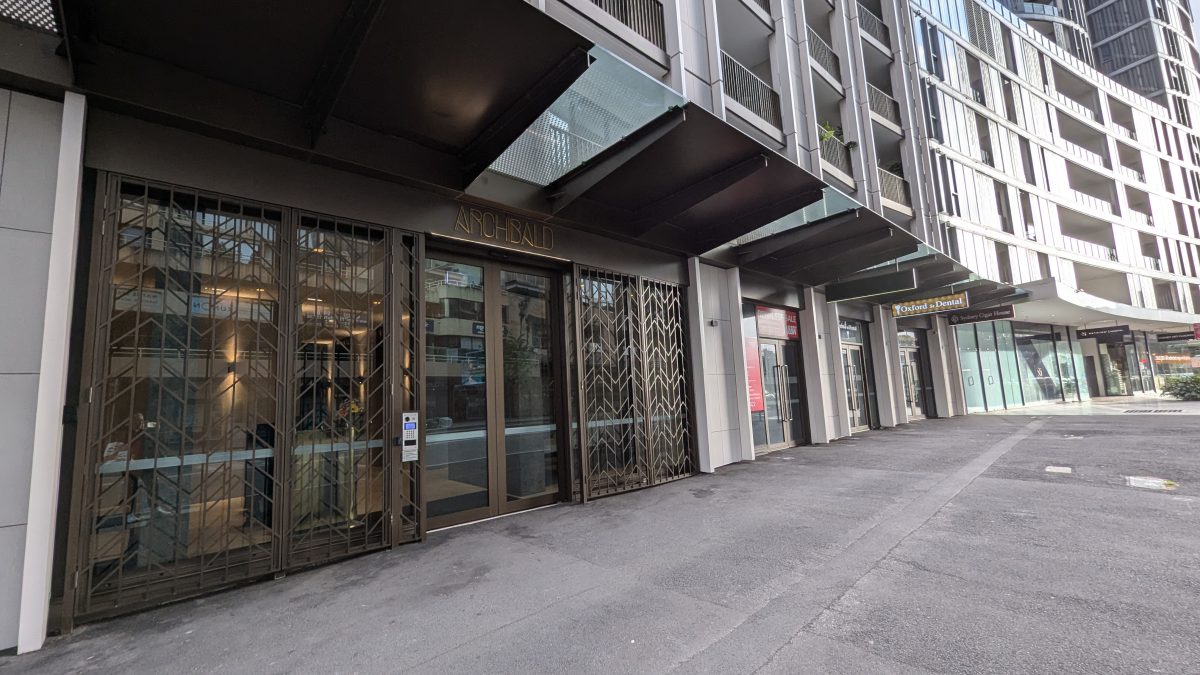
Bondi Junction
Located in the heart of the Eastern Suburbs, our Bondi Junction clinic is easily accessible by train, bus, and nearby parking.
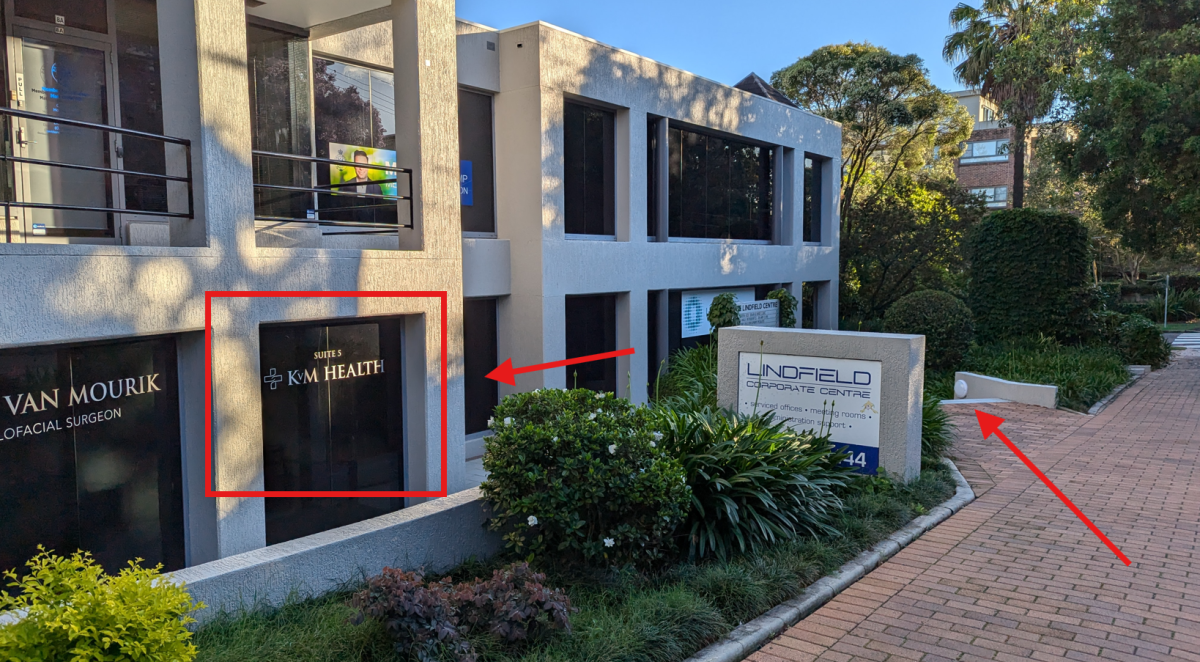
Lindfield
Conveniently positioned on the North Shore, our Lindfield clinic is close to public transport and offers parking options nearby.