Long-term tooth replacement with specialist surgical care in Sydney
Dental Implants Sydney
Dental implant surgery performed by a specialist Oral and Maxillofacial Surgeon, providing carefully planned, long-term solutions for missing teeth.
With over 18 years of specialist experience, Dr van Mourik is widely regarded by referring practitioners as the expert in dental implant surgery, delivering outstanding outcomes.

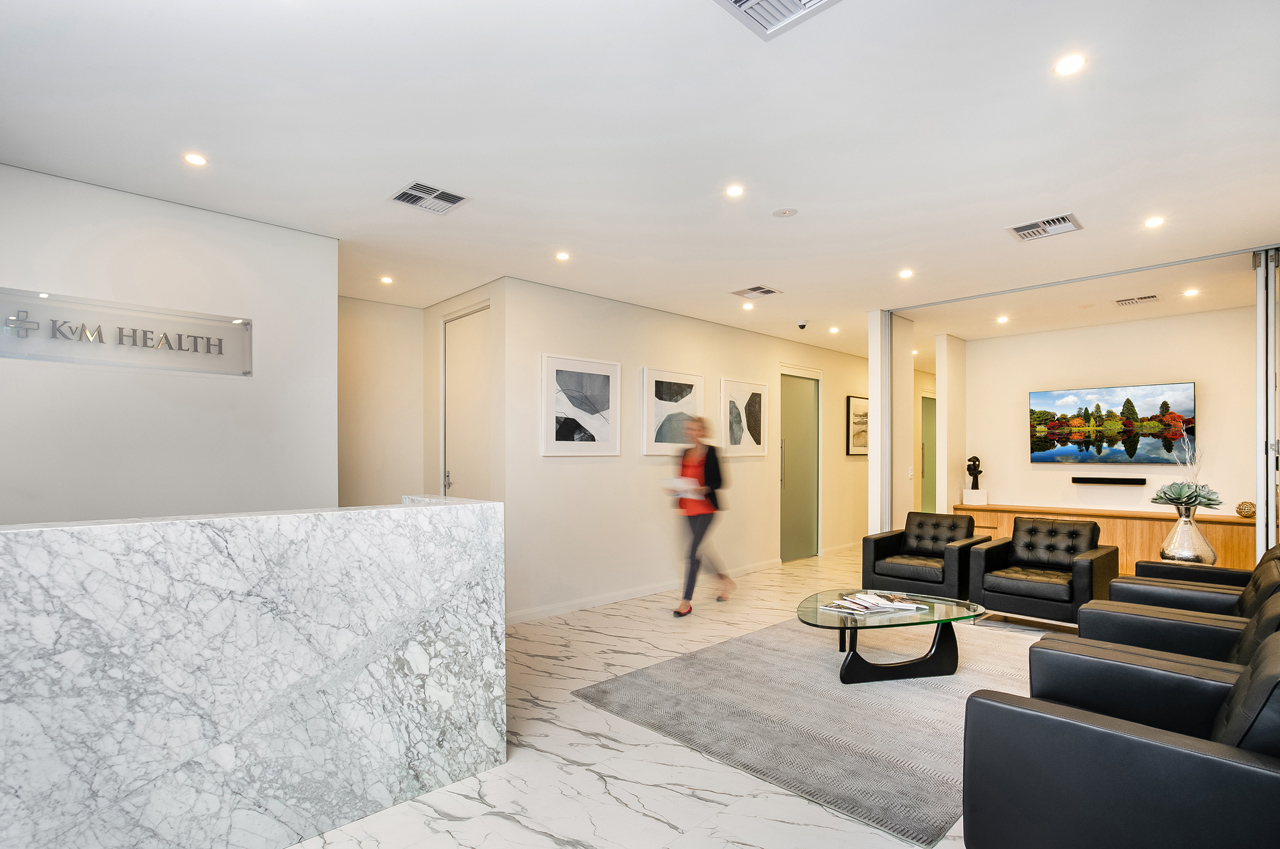
Our practice offers comprehensive implant treatment — from single tooth replacement to complex full-arch solutions. Every case is planned using detailed 3D imaging to assess bone quality, optimise implant placement, and ensure long-term stability.
- Tailored treatment plans based on each patient’s needs
- Clear communication and supportive care throughout treatment
- Surgical care delivered to the highest technical and clinical standards
What Are Dental Tooth Implants?
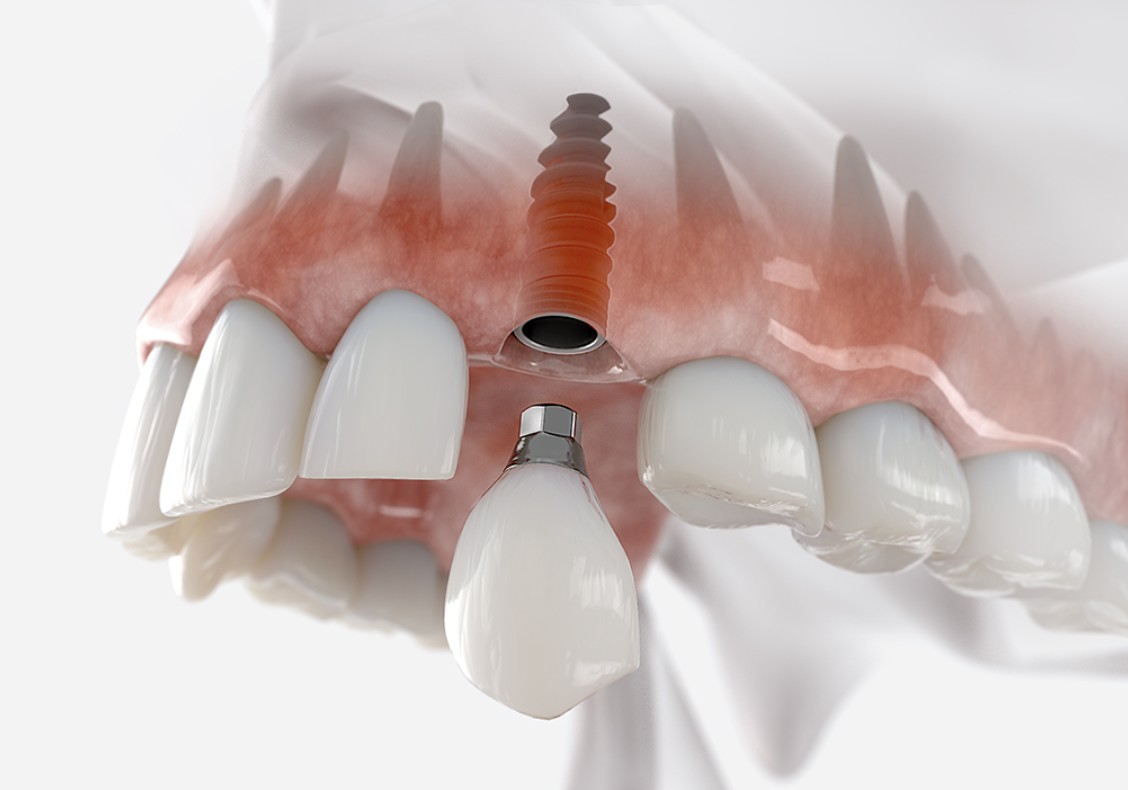
Dental implants are a modern tooth-replacement solution that can restore one or more missing teeth. Each implant is designed to replicate both the tooth and its root, making it the closest alternative to natural teeth in appearance, function, and long-term strength.
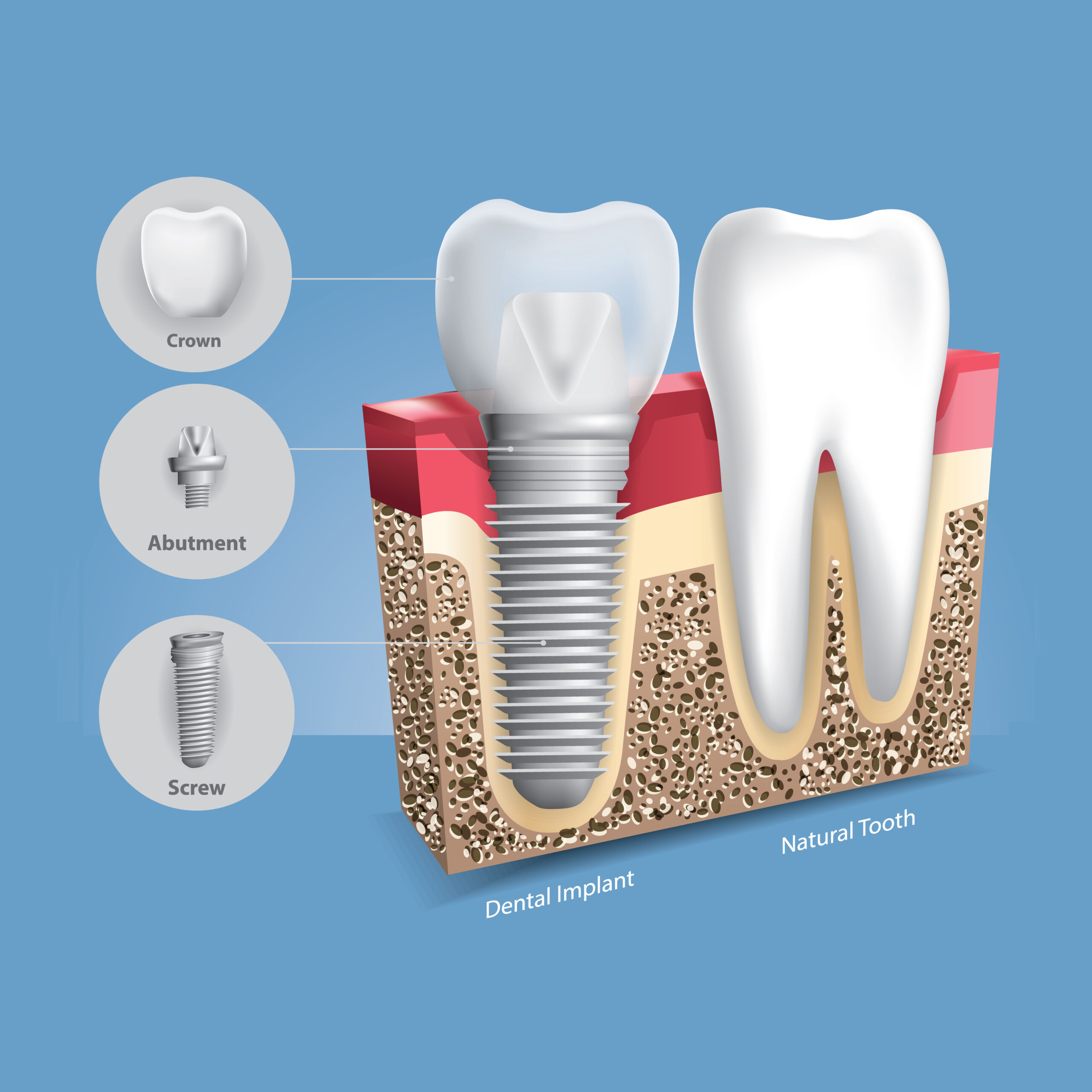
A crown
This is an artificial tooth that fits over the screw and is shaped like your missing tooth.
An abutment
This is a small metal post which joins the screw to the artificial tooth.
A titanium screw
This is implanted in the bone of your jaw replaces the root of your missing tooth. The screw fuses with the bone forming a strong and stable platform for the replacement tooth after 3 to 6 months.
If you’ve lost several teeth in a row, you may need a bridge with a titanium implant on either end and a row of artificial teeth (attached to each other) bridging the gap.
Problems Caused by Missing Teeth
Missing teeth affect far more than appearance. Even a single lost tooth can disrupt how your mouth functions, gradually impacting comfort, confidence, and long-term oral health. Many patients choose dental implants in Sydney to address issues such as:
Difficulty chewing
Missing teeth can make it harder to eat comfortably and may affect diet choices.
Changes to speech
Spaces in the mouth sometimes alter the way words are pronounced
Bone loss
Without tooth roots, the jawbone can gradually shrink, affecting appearance and limiting future treatment options.
Shifting of nearby teeth
When a tooth is missing, surrounding teeth can drift into the space, changing bite alignment and increasing wear.
Jaw strain and imbalance
An uneven bite places extra pressure on the jaw joints (TMJ), sometimes leading to pain or stiffness.
Reduced confidence
Missing teeth can make people feel self-conscious about smiling or eating in public. Replacing them helps restore a natural look — and confidence.
Dental Implants Pros and Cons
Dental implants are considered to be the closest alternative to natural teeth, offering a durable, long-term solution for tooth replacement. Like any other procedure, implants come with both advantages and challenges. Below is a breakdown of their benefits and potential downsides.
Pros
- Restores full chewing and speaking ability
- Mimics the look and feel of natural teeth
- Fixed in place—no adhesives needed
- Helps preserve jawbone and prevents further bone deterioration
- Highly durable, potentially lasting decades
- Does not affect or damage adjacent teeth
Cons
- More costly than removable options like dentures
- Requires surgery, often under sedation
- Fixed in place—no adhesives needed Recovery can take several months
- Implant crown cannot be placed until healing is complete (3–6 months), with temporary crowns used for visible teeth
- Requires sufficient bone density; bone grafting may be needed for some patients
- Permanent Paresthesia: Nerve damage leading to lasting numbness or tingling in the lips, chin, or gums.
- Sinus Issues: Upper jaw implants may breach the sinus cavity, causing infections or discomfort.
Types of Dental Implant Treatments
The ideal dental implant treatment depends on factors such as the number of missing teeth, their location, and the condition of your jawbone. Below is an overview of treatment options and their suitability for replacing single, multiple, or all teeth.
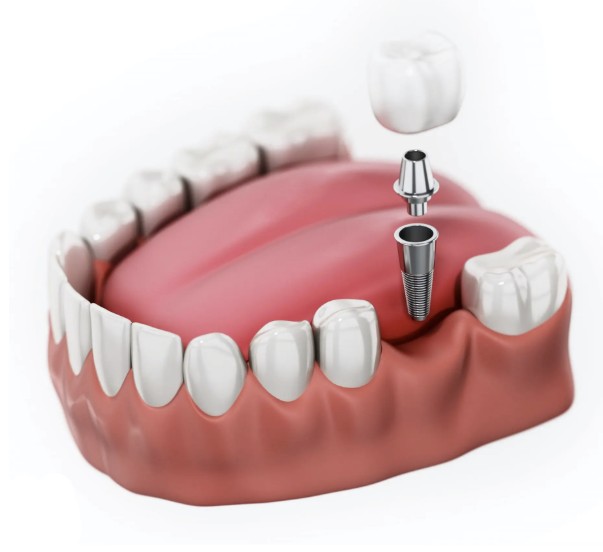
Single Dental Implants
Best for one or a few missing teeth that aren’t next to each other. A single titanium implant is placed in the jawbone and topped with a custom-made crown. Restores natural appearance and full function.
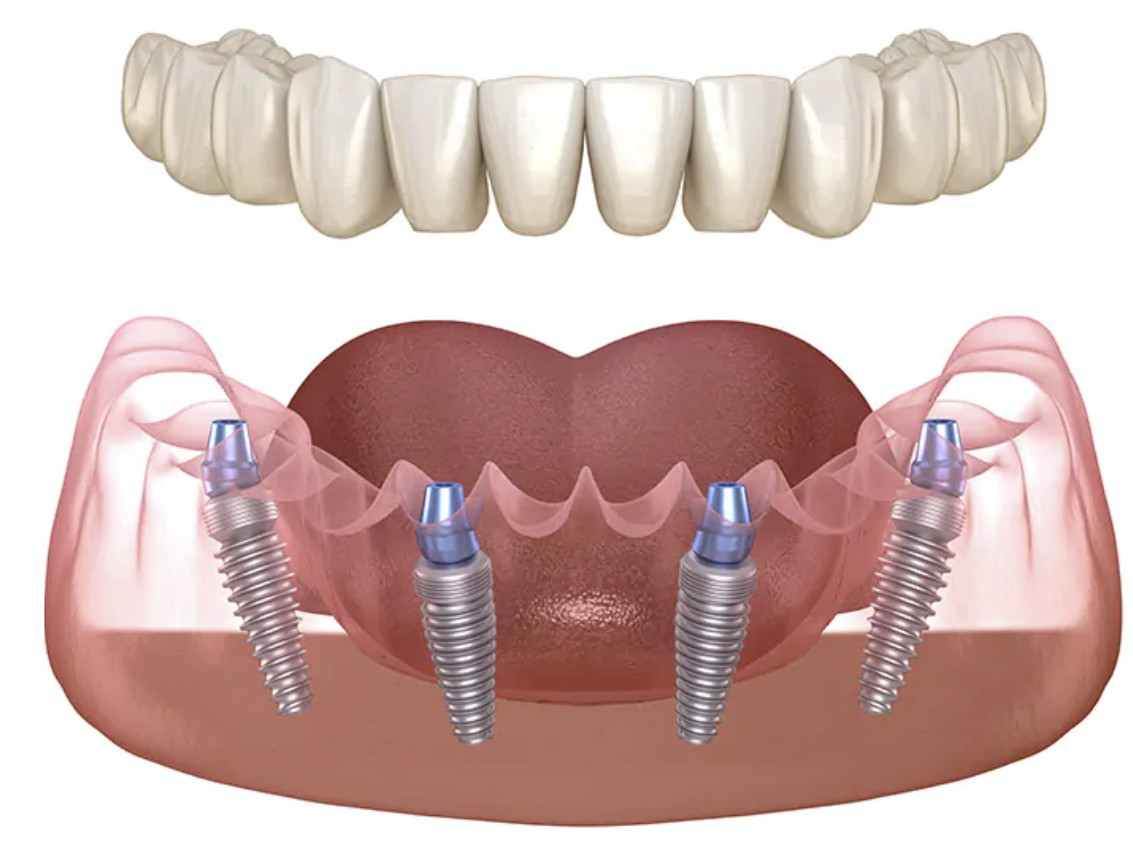
All-on-4 Dental Implants
Designed for patients missing most or all upper or lower teeth. Uses four implants (two straight, two angled) to support a fixed bridge of up to 12 teeth. Often avoids bone grafting, even with bone loss. Bridge can be attached within days for fast restoration.
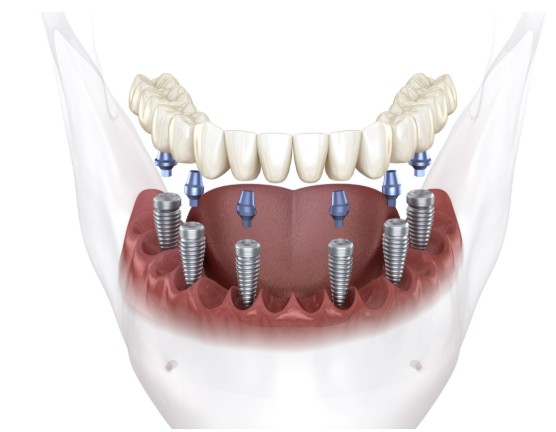
Full Mouth Dental Implants
Ideal for patients missing all or most teeth in both jaws who still have good bone density. Uses up to eight implants per jaw, placed vertically. Provides a strong, long-term solution for full-mouth restoration.
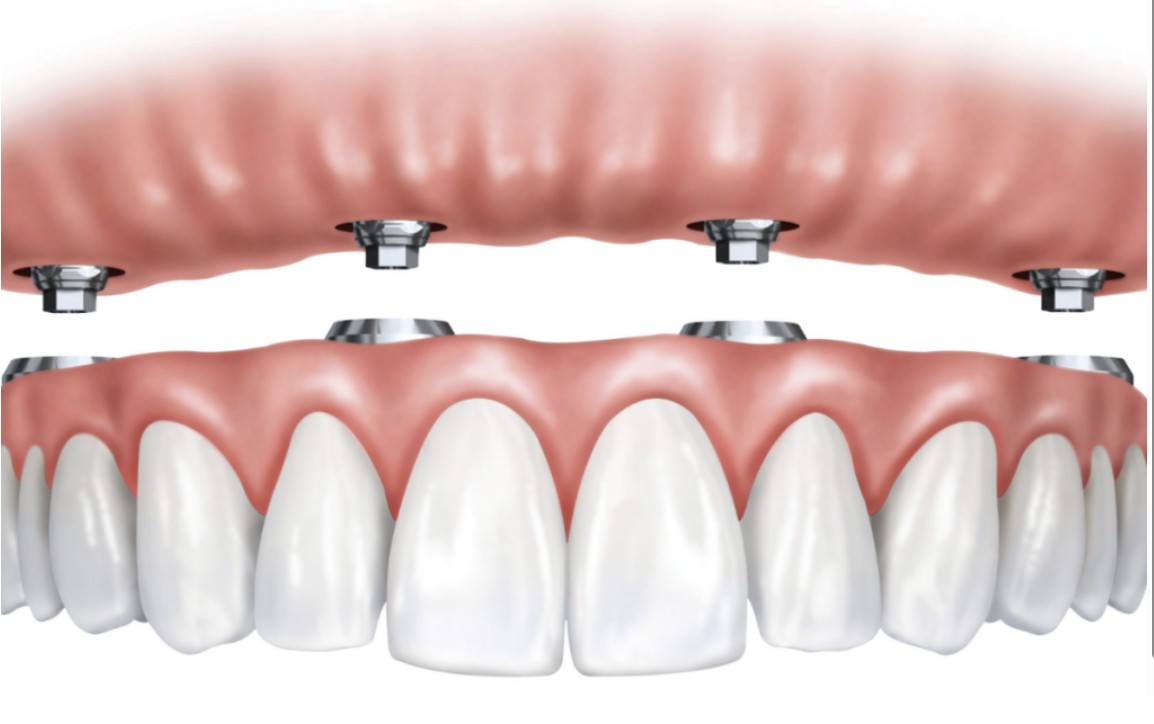
Implant-Supported Dentures
A removable option that still feels stable and secure. Usually supported by two titanium implants at the front of the jaw. Dentures snap on and off, giving flexibility and confidence.
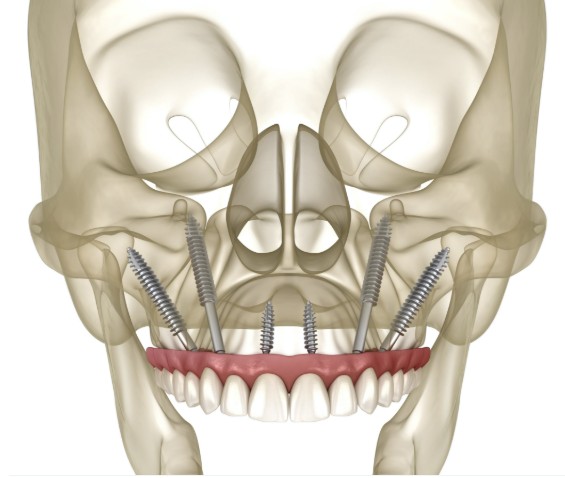
Zygomatic Dental Implants
For patients with severe upper jaw bone loss who want to avoid bone grafts or sinus lifts. Longer implants (30–55mm) are anchored into the cheekbone (zygoma). Provides excellent stability and results when performed by a skilled surgeon.
How Long Do Dental Implants Last?
With good oral hygiene and regular professional cleans, they can remain strong and functional for decades often a lifetime.
- The titanium implant (the part anchored in the jawbone) usually stays stable as long as the bone stays healthy.
- In rare cases, implant failure can occur if the body rejects it but a new implant can often be placed once healing is complete.
- The crown or bridge attached to the implant typically lasts 5–20 years, depending on materials and care.
Longevity starts with surgical expertise.
Dr. Kristian van Mourik is a Specialist Oral & Maxillofacial Surgeon with advanced training in implant surgery.
He works exclusively with world-leading implant systems, Straumann and Nobel Biocare, to deliver natural-looking, durable results that stand the test of time.
Dental Implant Process Step by Step
Dental implants require careful planning and precision by your surgeon. When in experienced hands the process is smooth and straightforward for patients. Here is an overview of what dental implant treatment involves.
Step 1: Consultation
At your first visit, Dr. van Mourik will perform a thorough examination of your teeth and gums, including X-rays and 3D scans. He’ll review your medical history, assess bone volume and density, and evaluate nearby blood vessels, sinuses and nerves to confirm if dental implants are right for you.
You’ll have the chance to discuss alternative treatments, ask questions, and receive a detailed treatment plan if implants are the best option.
Step 2: Treatment Planning
Using advanced software, Dr. van Mourik carefully plans the precise placement of your implants to maximize bone support and avoid critical structures like sinuses, blood vessels, and nerves.
During this phase, your replacement tooth or bridge is custom-designed to blend seamlessly with your smile and function naturally.
Step 3: Implant Placement
The titanium implant is placed in a minor surgical procedure, typically under local anesthesia in Dr. van Mourik’s office. For more complex cases, general anesthesia at a day hospital may be an option.
Once the implant is secured in your jawbone, you can usually leave right after the procedure, though day surgery patients will need about an hour to recover.
Mild discomfort may occur, manageable with over-the-counter pain relief.
Step 4: Healing and Restoration
The implant fuses with your jawbone through a process called osseointegration, which takes 3–6 months.
At the one-month check-up, a healing cap is placed to shape the gum tissue neatly. If the implant is in a visible area, a temporary tooth may be provided during healing.
Once fully healed, your permanent crown or bridge is attached by your referring dentist and you will be taught how to clean and care for your new teeth.
How long does tooth implant surgery take?
The duration of a dental implant procedure varies based on the number of implants, the complexity of your case, and the surgeon’s expertise.
With Dr. van Mourik’s extensive experience and hundreds of successful implant placements each year, a single implant can often be completed in 5 to 20 minutes.
More complex cases, such as those involving multiple implants or bone grafting, may require additional time.
Will I be awake during the procedure?
Due to Dr. van Mourik’s extensive experience in dental implant procedures, most patients remain awake and comfortable with local anesthesia, which completely numbs the treatment area.
For those feeling anxious, we offer sedation to help you relax during the procedure.
For more complex cases performed in a day hospital, a general anesthetic is administered by a fully qualified anesthetist. Dr van Mourik operates exclusively with Fellows of the Australian and New Zealand College of Anesthetists (FANZCA) to ensure the highest standards of safety and comfort throughout your treatment.
Recovery After Dental Implants
Day surgery: If you’ve general anaesthetic or IV sedation you will require someone to assist you get home. If done under local anaesthetic, you can drive home yourself.
Pain management: Most people are surprised to find that pain is minimal. Normal painkillers such as Nurofen® and Panadol® are usually all you’ll need. An icepack can help reduce any swelling or pain.
Work/School: Most people return to work a few days after surgery. This will depend on the number of teeth being extracted, the extent of the surgery and your general health.
Stitches: Dissolving stitches are used in most cases. They gradually dissolve over 1-2 weeks.
Diet: Soft food diet for a few days after surgery. By 1-2 weeks after surgery you’ll most likely be eating and drinking normally.
Follow up: Dr van Mourik’s registered nurse will see you after your surgery to monitor your healing.
Dr Van Mourik will give you detailed post-operative instructions during your initial consultation. To maximise your chance of making a quick recovery without complications, please pay careful attention to these instructions
How to Look After Your Dental Implant
With the right care, dental implants can last a lifetime. Looking after them is very similar to caring for natural teeth.
Here are some important implant care tips:
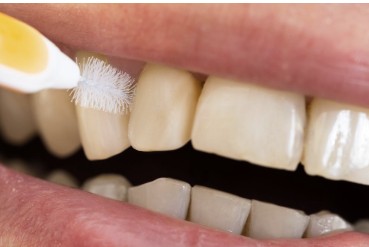
- Brush your teeth twice a day for two minutes using a soft-bristled or electric toothbrush.
- Clean between your denture and the implant with dental floss, interdental brushes or a water pix to remove plaque and food particles.
- Replace your toothbrush every few months to maintain effective cleaning.
- Use an antibacterial mouthwash once or twice a day to reduce bacteria around the implant.
- Limit sticky or hard foods that may put stress on your implant.
- Avoid smoking, as it can weaken bone health and reduce implant success.
- Visit your dentist or dental hygienist at least twice a year for professional cleaning and a check-up.
By following these simple steps, you’ll help keep your zygomatic implants strong, healthy, and long-lasting.
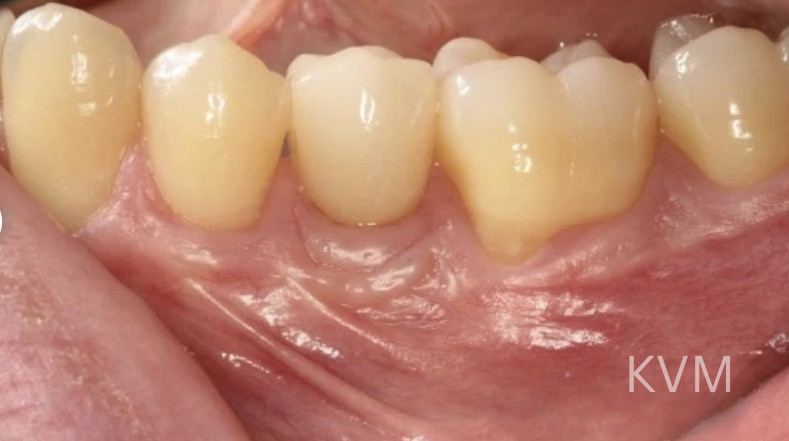
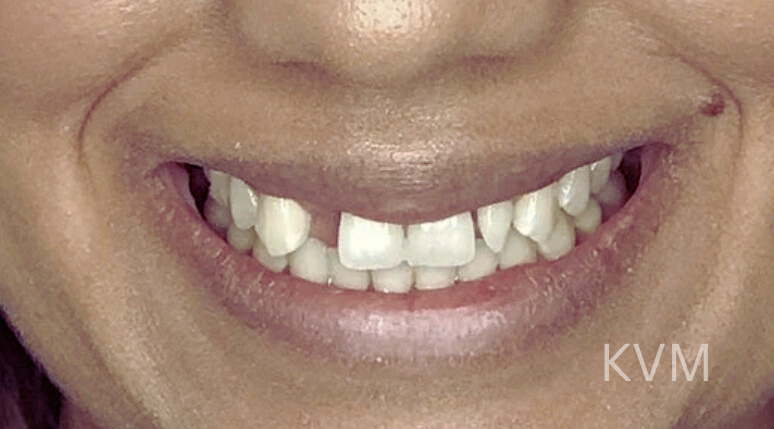
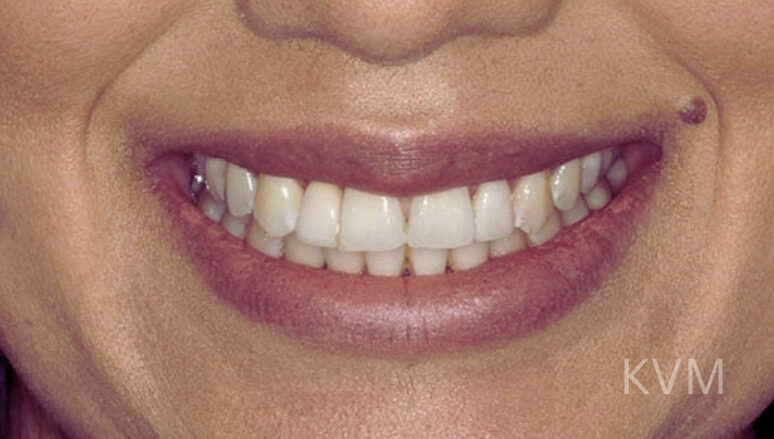
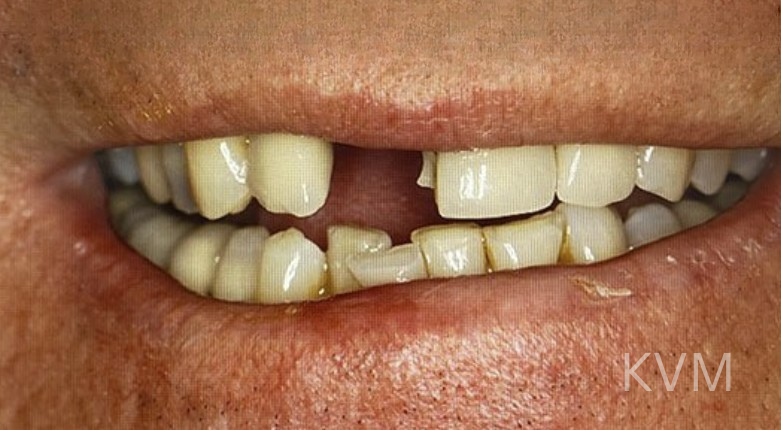
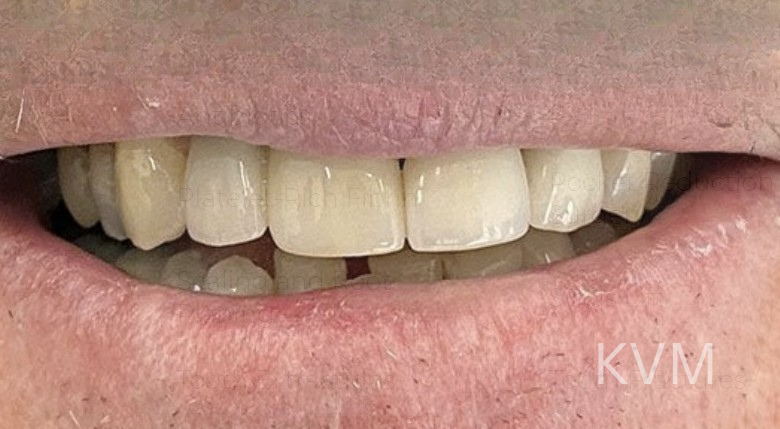
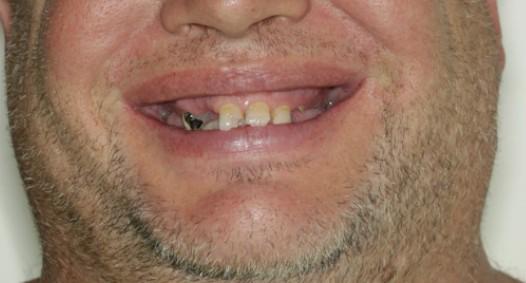
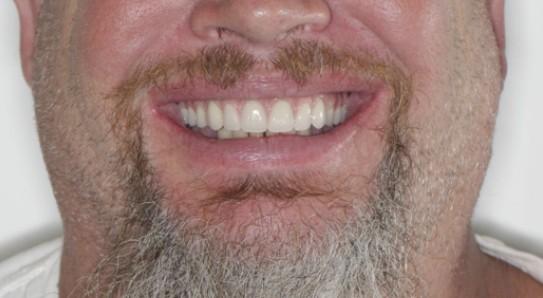
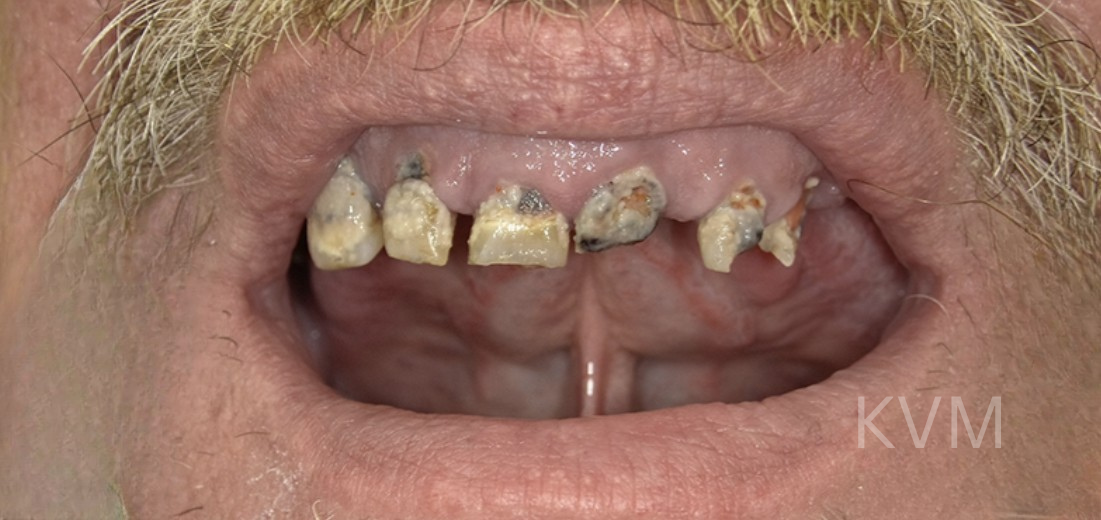
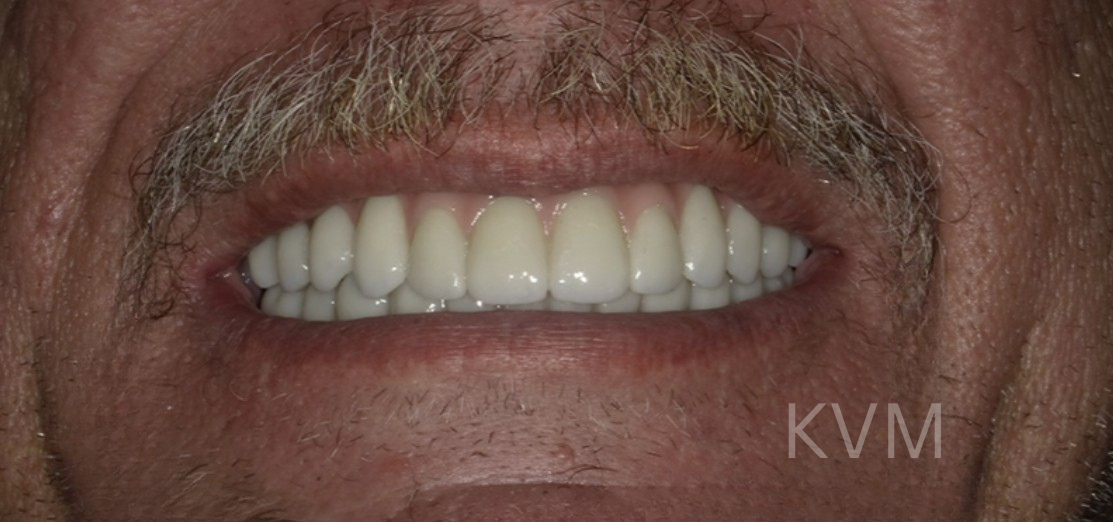
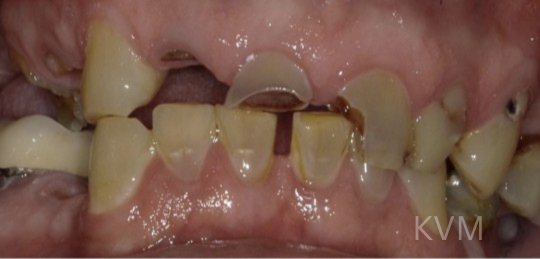
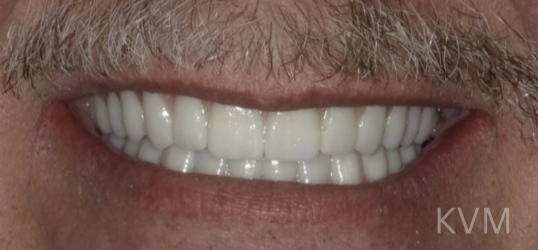
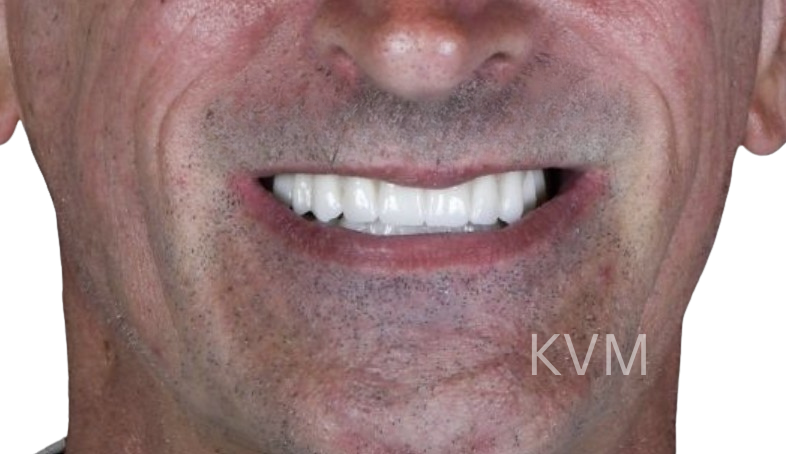
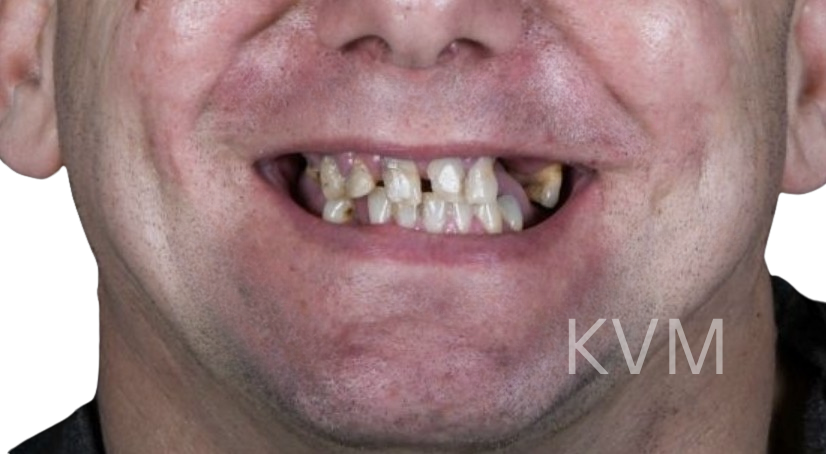
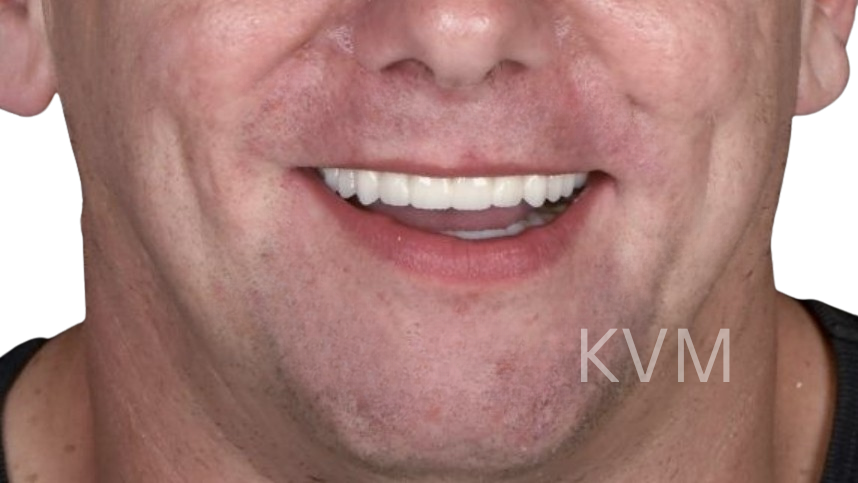
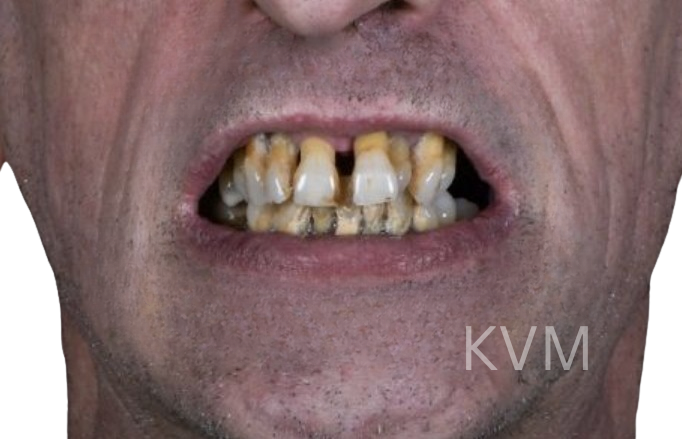
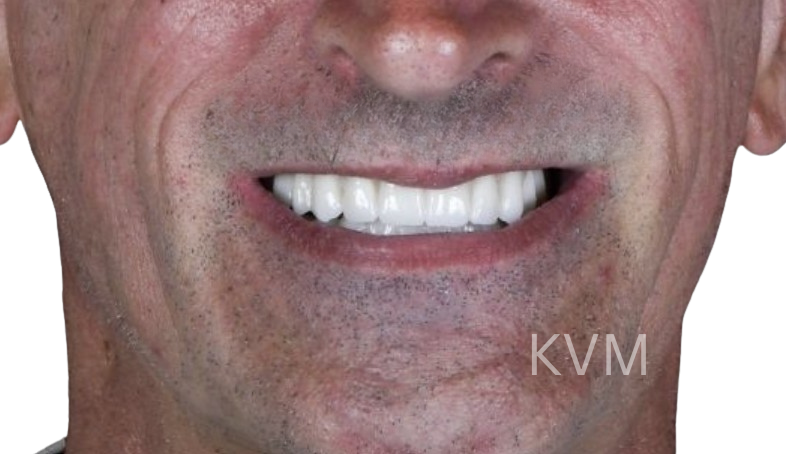
Dental Implants Before and After

Cost of Dental Implants in Sydney
Dental implant costs in Sydney can vary based on several factors, including:
- Number of implants required
- Complexity of the bone
- Whether bone grafting is needed
As this is a routine procedure for Dr van Mourik, who is highly experienced in even the most complex cases, you can feel confident you’ll receive expert care at an affordable price. You will receive a written, itemised quote that can be submitted to your private health fund to confirm any available rebates. For treatments performed under general anaesthetic, an anaesthetist will be involved. Their details and separate fee schedule will be provided. Please note:
- Medicare and private health insurance usually cover most of the anaesthetist’s fee
- They typically do not cover the full cost of surgery
We also offer flexible finance options to make it easier to access high-quality dental implant care while staying within your budget.
Why Seeing a Specialist Oral and Maxillofacial Surgeon Matters
Dental implants are a complex procedure that requires specialist training.
Oral and Maxillofacial Surgeons have the highest level of training and skills in dental implant surgery, having qualified as a surgeon, a doctor and a dentist.
They regularly perform dental implant surgery and offer the highest standard of surgical care. An Oral and Maxillofacial surgeon’s approach ensures:
- Expert precision: Surgery performed efficiently and to the highest technical standard
- Faster recovery: Less trauma to surrounding tissue and bone
- Lower risk of complications: Reduced chance of infection or implant failure
- Comprehensive care: Surgeons are medically trained to manage your overall health and safely handle any complications if they occur.
- Long-term results: Treatment guided by the latest medical and dental research
Dr van Mourik is widely regarded as a leading authority in dental implant surgery, and is a sought-after educator who runs Australia-wide implant courses for dentists.
Meet Dr Kristian van Mourik
Meet Dr Kristian van Mourik
Dr Kristian van Mourik is a fully qualified Oral & Maxillofacial Surgeon with advanced training in medicine, dentistry, and surgery. He is among the few surgeons in Australia to hold dual qualifications in both medicine and dentistry, alongside specialist surgical training.
His academic background includes:
- Bachelor of Biomedicine – Monash University
- Bachelor of Dentistry with Honours – University of Sydney
- Bachelor of Medicine / Bachelor of Surgery – University of Sydney
With more than 15 years of practice in Sydney, Dr van Mourik has extensive experience in procedures such as dental implants, wisdom tooth removal, corrective jaw surgery, treatment of facial trauma, and oral pathology.
He is registered with both the Medical Board of Australia and the Dental Board of Australia as a specialist Oral & Maxillofacial Surgeon, and has trained and worked in leading hospitals. His practice maintains a strong focus on evidence-based treatment, patient education, and comprehensive surgical care.
Dr Kristian Van Mourik Associations & Accreditations


Dental Implants FAQs
Who is best suited for dental implant treatment?
Anyone who is in reasonably good health who needs a solution for missing teeth can be a candidate for dental implants, from older teens to adults in their seventies or eighties. The main requirements are healthy gums and sufficient jawbone to support the implant.
If you have missing teeth and a solid bone structure, you’re likely a suitable candidate for dental implants Sydney.
How old is too old for dental implants?
Dental implants are suitable for patients of nearly all ages. In rare cases, certain medical conditions may affect the procedure, but your suitability will always be carefully assessed before treatment begin
During your consultation, Dr. Van Mourik will discuss the advantages and disadvantages of tooth implants Sydney and evaluate whether you are a suitable candidate for the procedure
What if there isn’t enough bone to support the implants?
Dental implants rely on sufficient bone volume and quality to ensure a stable foundation. If your jawbone is inadequate to support an implant, various bone grafting techniques are available, or zygomatic implants may be considered for the upper jaw.
Dr. Van Mourik, a leading specialist in tooth implants in Sydney, is highly skilled in the latest surgical techniques. He provides tailored solutions to maximize your chances of successful implant placement, even in cases where bone conditions are less than ideal.
What happens if I don’t replace my missing teeth?
Leaving a gap in your mouth from a missing tooth can lead to significant issues. Surrounding teeth may shift out of alignment, resulting in crooked teeth or unsightly gaps in your smile. If teeth are missing your chewing forces are not evenly distributed around your mouth, this can lead to gum disease, jaw joint paint, excessive wear and fracture of existing teeth and even further tooth loss. Additionally, the presence of teeth provides stimulation to your jaw bone, lack of jawbone stimulation can result in bone loss over time, this will change your appearance and can lead to a hallowing, aged appearance.
Tooth implants in Sydney offer a reliable solution to restore your smile and prevent these problems, providing a stable and lasting foundation.
How safe are dental implants?
Tooth implants in Sydney have been a trusted solution for many years. When performed by an Oral and Maxillofacial Surgeon the dental implant procedure is safe.
With proper care, dental implants can last a lifetime, much like natural teeth. To ensure their longevity, it’s essential to follow care instructions and attend regular maintenance appointments for your tooth implants in Sydney.
Are dental implants covered by Medicare in Australia?
Medicare provides a rebate for part of your initial consultation, but it generally does not cover dental implants in Sydney.
If your treatment requires a general anaesthetic, Medicare and most private health funds usually contribute towards the anaesthetist’s fee.
During your appointment, we’ll discuss finance options and payment plans to help you access affordable dental implants Sydney, making treatment more manageable and tailored to your budget.
Does private health insurance cover dental implants in Sydney?
Depending on your extras cover, private health insurance may pay for part of your dental implant treatment in Sydney. Coverage varies. We will provide you with an itemised quote so you can contact your insurer to confirm what’s included and whether waiting periods apply.
We can also discuss finance options and payment plans to help you access affordable dental implants Sydney.
What is the normal recovery time for dental implants?
Recovery usually takes 3–6 months. This can vary depending on your health, healing ability, and the complexity of your dental implant surgery in Sydney.
At your consultation, we’ll explain the best dental implant Sydney recovery care steps.
What should I avoid after dental implant surgery?
After your dental implant it’s best to avoid hot food and drinks while you’re still numb to prevent accidental burns. For the first few days, you should also avoid strenuous activity and hard foods to support proper healing. After this initial period, you can gradually return to your normal diet and activities.
During your appointment, we’ll discuss your best dental implant Sydney post-operation care tips and advice.
How should I care for myself after dental implant surgery?
Wait until the local anaesthetic has fully worn off before eating. Avoid hot food and drinks, and try not to touch the implant site with your tongue or fingers. In the early stages, stick to soft foods to protect the area. Once the initial healing period of a couple of days has passed, you can gradually return to your normal diet and activities.
During your appointment, we’ll discuss the best dental implant Sydney post-operation care tips and advice tailored to your recovery.
Can I eat normally after dental implant surgery?
Wait until the local anaesthetic has completely worn off before eating — if hungry, start with a cool smoothie. Once the numbness has passed, follow a soft diet for the first few days to weeks after implant surgery, then gradually reintroduce harder foods as healing progresses.
During your visit, we’ll review the best dental implant Sydney aftercare guidelines in detail.
Can I brush my teeth after implant surgery?
Yes, you can brush your teeth carefully after dental implant surgery. Use a soft toothbrush and avoid brushing directly over the surgical area in the first few days.
In your appointment we will cover the best dental implant Sydney post-surgery care advice.
Do dental implants require special care?
Dental implants don’t need extensive care. They can be maintained just like natural teeth — with daily brushing, flossing, and regular dental visits.
At your appointment, we’ll go over the best dental implant Sydney post-operative care guidelines.
How often do dental implants need to be checked?
We recommend having your dental implants checked and thoroughly cleaned by your dentist or hygienist every 3–6 months to ensure they stay healthy and secure.
Can food get stuck under dental implants?
Yes, food can sometimes get trapped around implants. To protect your new dental implants, avoid sticky foods and regularly clean between your teeth every day with dental floss or interdental brushes to remove plaque and food particles
Sydney Areas We Service for Dental Implants
Dental implant surgery available across Eastern Suburbs Sydney and North Shore Sydney
- Bondi
- Bronte
- Clovelly
- Coogee
- Randwick
- Paddington
- Woollahra
- Double Bay
- Bellevue Hill
- Tamarama
- Waverley
- Surrounding Eastern Suburbs
- Roseville
- Chatswood
- Killara
- Gordon
- Pymble
- Turramurra
- St Ives
- Wahroonga
- Hornsby
- Willoughby
- Castle Cove
- Other North Shore suburbs
2
Convenient locations
120+
Verified Reviews
Trusted by Hundreds of Patients Across Sydney
Dr Kristian van Mourik has received over 120 verified Google reviews across his Lindfield and Bondi Junction clinics.
While Australian healthcare advertising regulations limit how patient reviews can be displayed on medical service pages, prospective patients are welcome to view independent feedback directly on Google.
This volume of reviews reflects years of specialist Oral and Maxillofacial surgical care, clear communication, and a consistent patient experience across both clinic locations.
Our Sydney Clinics
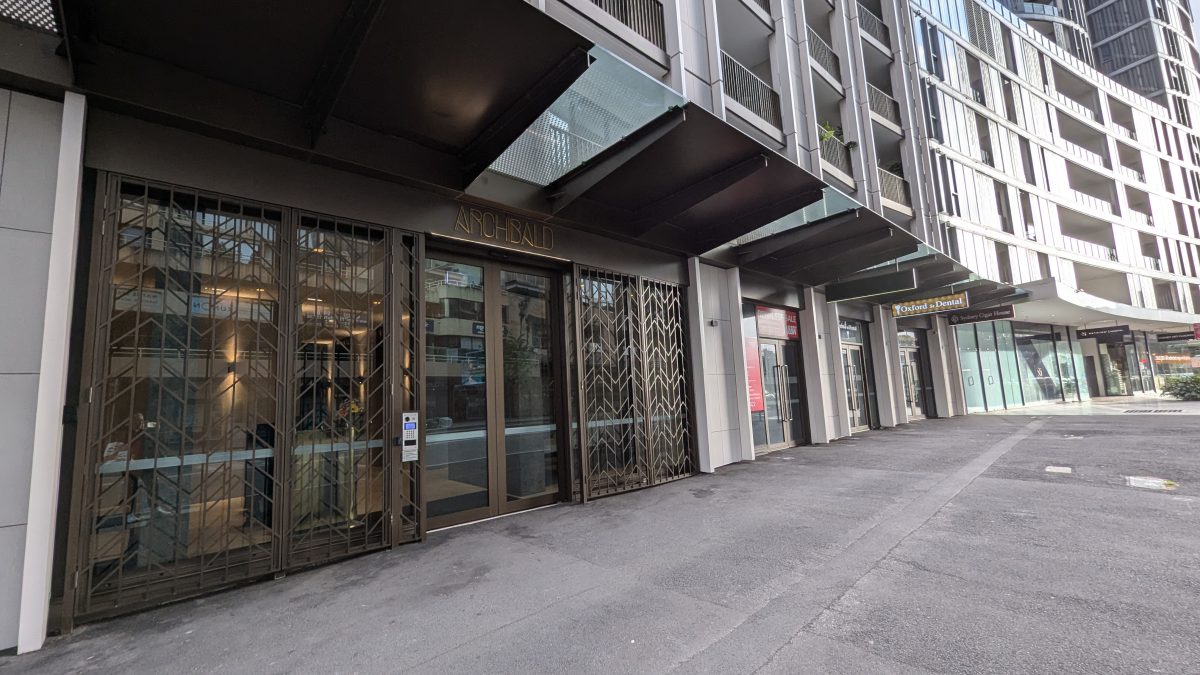
Bondi Junction Dental Implant Clinic
Located in the heart of the Eastern Suburbs, our Bondi Junction clinic is easily accessible by train, bus, and nearby parking.
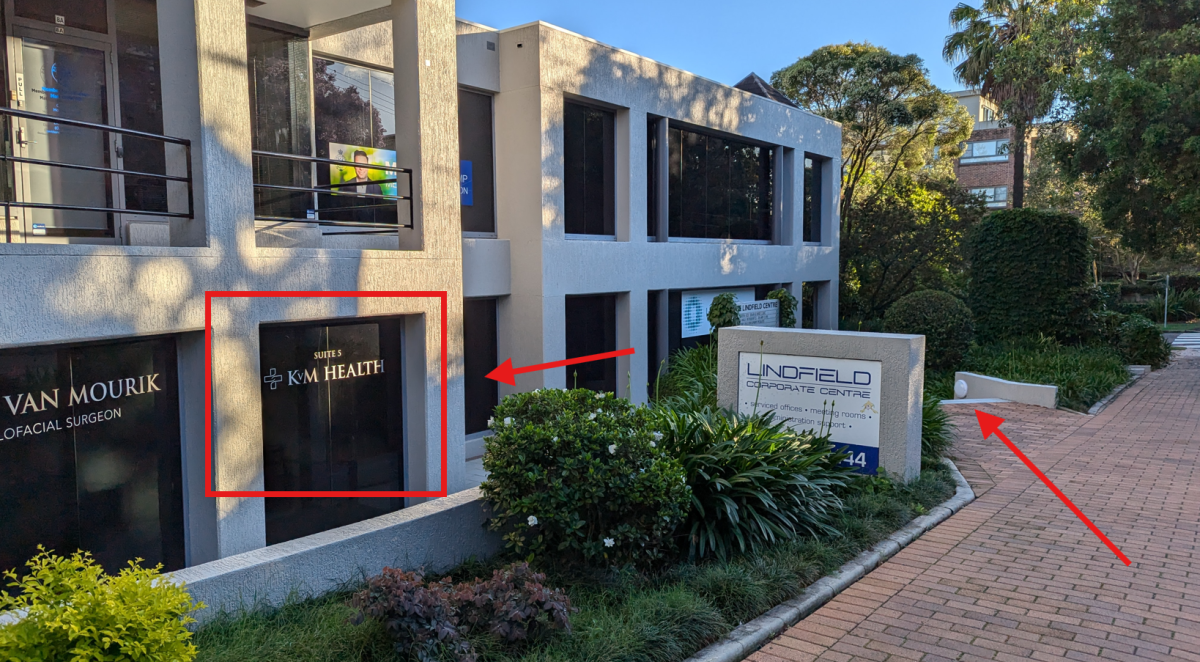
Lindfield Dental Implant Clinic
Conveniently positioned on the North Shore, our Lindfield clinic is close to public transport and offers parking options nearby.